Introduction
The term “bomb cyclone” refers to a rapidly intensifying storm that results in a significant drop in atmospheric pressure, typically by at least 24 millibars within 24 hours. This weather phenomenon is critical to understand due to its potential to cause severe weather events, including extreme winds, heavy snowfall, and torrential rain. As climate change continues to impact weather patterns globally, the increase in intensity and frequency of such storms raises concerns for communities across the United States.
The Mechanics of a Bomb Cyclone
A bomb cyclone forms when cold Arctic air meets warmer maritime air, creating an atmosphere that promotes rapid development of low-pressure systems. Meteorologists often use the term “bomb” to denote a rapid drop in atmospheric pressure. This strong pressure gradient results in powerful winds capable of causing damage, along with heavy precipitation. The locations affected by bomb cyclones often experience harsh winter storms, with snow accumulation that can lead to dangerous travel conditions and power outages.
Recent Events and Impacts
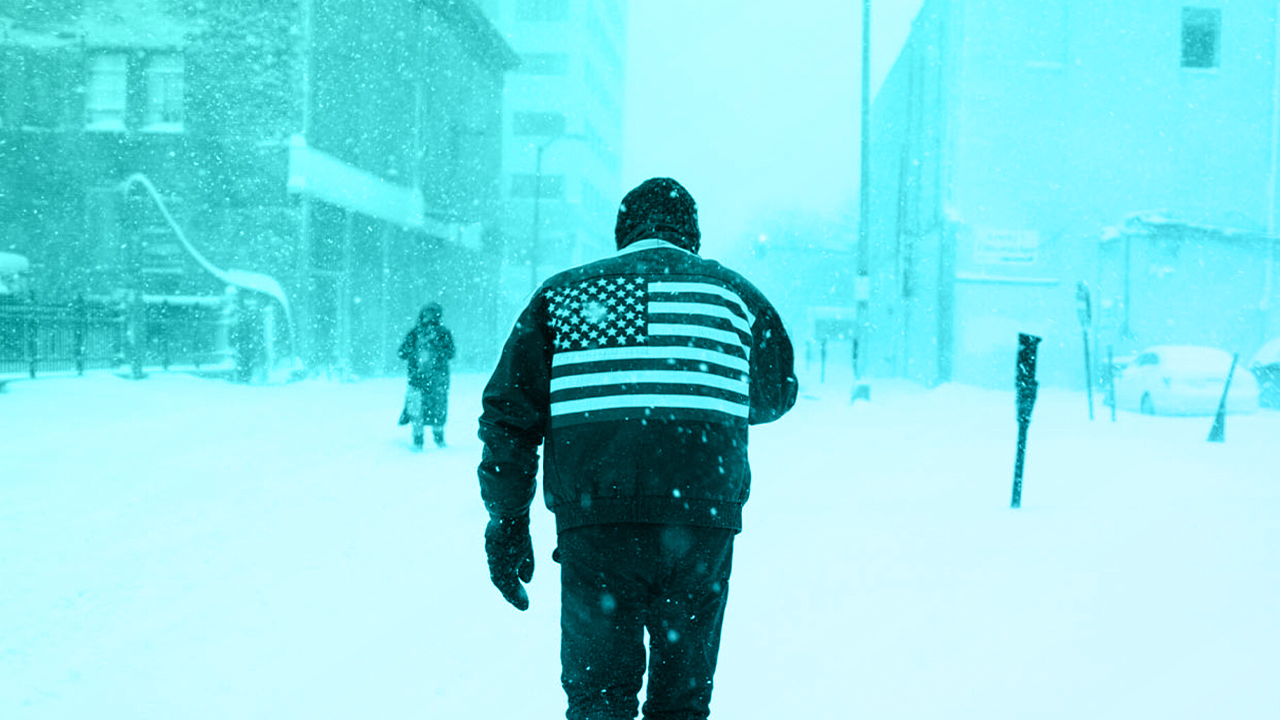
In late December 2022, the eastern United States was hit by a significant bomb cyclone that resulted in blizzard conditions across many states, particularly affecting regions from Wyoming to the Midwest and Northeast. The storm was characterized by bitterly cold temperatures alongside high winds that gusted over 70 MPH in some areas. The severe impacts included widespread flight cancellations, hazardous road conditions, and power outages affecting millions of residents. Emergency services scrambled to manage the crisis as safety concerns led to the deployment of National Guard units in many affected states.
Looking Ahead: Preparing for Future Bomb Cyclones
As climate patterns continue to shift, it is anticipated that bomb cyclones and similar extreme weather events could become more common. The National Oceanic and Atmospheric Administration (NOAA) actively monitors such storm systems, providing forecasts and alerts to inform the public. Preparing for these storms involves not only individual preparedness, such as having emergency kits and plans in place, but also community-wide initiatives to improve infrastructure resilience against severe weather disruptions.
Conclusion
Understanding bomb cyclones is essential for preparing for their impacts and mitigating risks associated with extreme weather. As climate change alters weather behavior, communities need to adapt to the increasing likelihood of such storms. Public education on storm preparedness, combined with advancements in meteorological forecasting, will be crucial in minimizing the impact of future bomb cyclones. By taking proactive measures, individuals and authorities can work together to safeguard lives and property against these powerful and unpredictable weather events.