Introduction
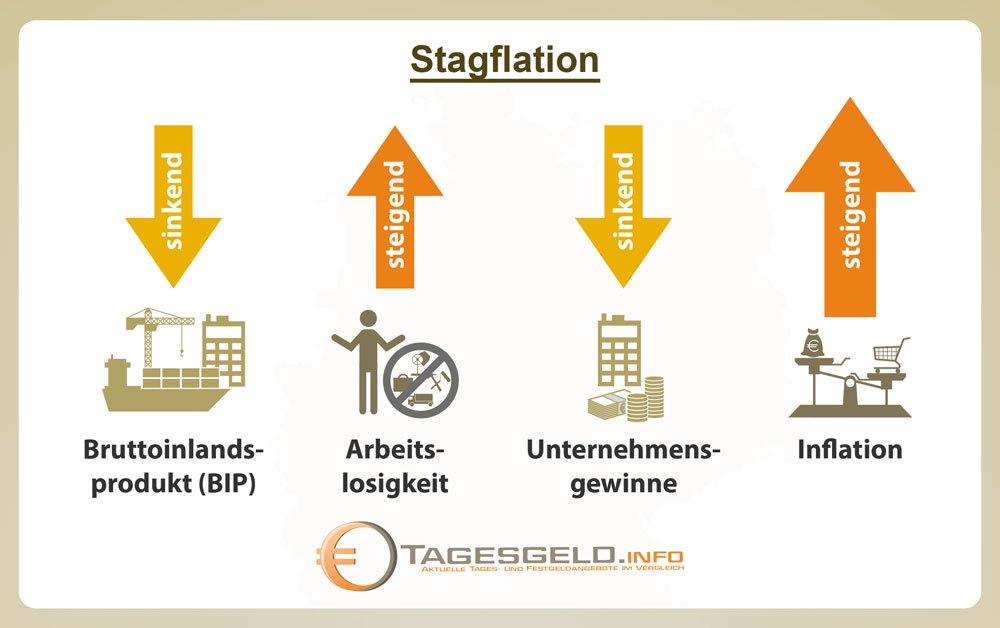
Stagflation is a term used to describe a unique and troubling economic condition characterized by the combination of stagnant economic growth, high unemployment, and high inflation rates. This phenomenon presents a significant challenge for policymakers and economists alike, particularly in the context of a rapidly changing global economy. Understanding stagflation is increasingly crucial, especially as some economies show signs of encountering this dilemma amid persistent inflationary pressures and slow growth.
Current Economic Landscape
As of late 2023, several countries are experiencing varying degrees of economic distress fueled by disrupted supply chains, rising energy prices, and ongoing geopolitical tensions. In the United States, the inflation rate increased to 6.3% year-over-year as of September 2023. This rise is primarily attributed to escalating costs of goods, fuel, and labor. Despite the inflationary surge, many sectors are struggling to regain their pre-pandemic productivity levels, leading to concerns about economic stagnation.
Analysts have noted the potential for stagflation, particularly as the Federal Reserve pursues aggressive interest rate hikes to tame inflation. Historically, the term gained notoriety during the 1970s when oil price shocks led to runaway inflation and stagnant economic growth in many advanced economies.
Impacts of Stagflation
The implications of stagflation can be severe. High inflation erodes consumer purchasing power, leading to a decrease in disposable income, while stagnant growth stifles job creation and economic opportunity. Consequently, households may face increasing financial strain as everyday expenses rise but wages do not keep pace. Additionally, businesses may encounter declining demand for their products, prompting layoffs and further exacerbating unemployment rates.
Consumer confidence also tends to wane during periods of stagflation, adversely impacting spending and investment within the economy. If left unchecked, stagflation can lead to a vicious cycle that hinders recovery and deepens economic malaise.
Future Outlook
Economists project that combating stagflation requires a careful balance of fiscal and monetary policies. Governments need to implement measures aimed at stimulating growth while managing inflationary pressures. Strategies may include targeted investments in infrastructure and green technology, as well as incentivizing workforce participation.
For the average reader, understanding stagflation and its potential impacts is essential. Keeping abreast of economic indicators and government policies can help individuals better navigate financial decisions and prepare for potential economic challenges ahead.
Conclusion
Stagflation poses a complex challenge that intersects both economic performance and social wellbeing. As the world continues to grapple with the effects of recent turmoil, understanding the signs and implications of stagflation is more relevant than ever. By collectively addressing these challenges, policymakers and individuals can help mitigate the negative consequences and work towards a more stable economic future.