Introduction to Swatting
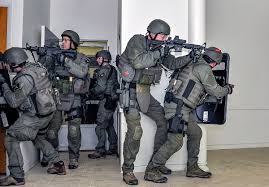
Swatting is a dangerous and illegal act where an individual makes a false report to emergency services, leading to a heavily armed police response to a specific location, often the victim’s home. This alarming trend has gained notoriety in recent years, especially among online gaming communities and social media platforms. The implications of swatting are severe, resulting not only in potential harm to innocent individuals but also mobilizing precious law enforcement resources.
Understanding the Mechanics of Swatting
Typically, a swatting incident occurs when someone makes an anonymous call to 911, claiming a dire situation such as a hostage situation or an active shooter at a target’s address. The caller’s intention is to provoke a rapid, aggressive response from SWAT teams or police units, often catching the victim off-guard. In some cases, swatters have done this as part of a larger vendetta, targeting individuals they may have disputes with online.
Recent Trends and Incidents
Recent reports highlight the alarming uptick in swatting incidents tied to online gaming. In 2023, a high-profile case involved a popular Twitch streamer whose home was invaded by law enforcement after a call claimed violent activity. Fortunately, in this instance, no one was injured, but the emotional and psychological impact on the victims can be profound.
Statistics from the FBI reveal that swatting incidents are increasing year-over-year. They estimate that such pranks result in thousands of man-hours wasted and can lead to serious consequences, including injury or, in the worst cases, death. Legal authorities are also increasingly cracking down on swatting, with some offenders facing felony charges, jail time, and hefty fines.
Legal Consequences of Swatting
Swatting is a serious offense in many states, classified as a form of false reporting. The legal consequences can be severe, including criminal charges ranging from misdemeanors to felonies depending on the jurisdiction and the outcome of the incident. Courts have handed down sentences that include prison time, probation, and fines totalling thousands of dollars, alongside restitution for law enforcement agencies affected by these calls.
Conclusion: The Growing Concern of Swatting
As technology evolves, so do the methods of harassment and intimidation. Swatting represents a disturbing trend rooted in misinformation and malice, posing risks not only to victims but also to first responders and the community at large. It’s crucial for individuals, especially in the online gaming and streaming communities, to be aware of the implications and risks associated with swatting. Education and awareness are vital in combating this dangerous prank and ensuring that law enforcement can effectively prioritize real emergencies.