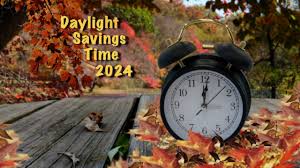
Introduction: The Impact of Daylight Savings Time
Daylight Savings Time (DST) is a practice that many countries follow to make better use of daylight during the longer days of summer. However, as the season draws to a close, it becomes imperative to understand when DST ends and the implications for daily life. In the United States, the end of daylight savings time occurs on the first Sunday of November each year, leading to a significant shift in societal routines, energy usage, and even mood.
When Does Daylight Savings Time End?
This year, daylight savings time ends on November 5, 2023, at 2:00 AM local time. On this date, clocks will be set back one hour, effectively returning to Standard Time. This shift means that sunrise and sunset will occur earlier in the day, impacting various activities ranging from morning commutes to evening entertainment.
The Benefits and Drawbacks of Ending DST
One of the primary benefits of ending daylight savings time is the potential for improved sleep quality. Studies have suggested that the abrupt shift in time can disrupt sleep patterns. By reverting to standard time, individuals may experience a more natural alignment with their circadian rhythms. Furthermore, earlier sunsets may encourage outdoor evening activities during the fall and winter months, promoting physical health.
However, the end of DST isn’t without its drawbacks. Some people may feel a lack of daylight during the early afternoon hours as darkness creeps in more rapidly, potentially leading to feelings of decreased energy and productivity. Additionally, businesses that thrive in the evening may see a decrease in foot traffic as the days shorten.
Implications for Society and Environment
The transition from daylight savings time back to standard time has various implications. Some studies suggest that it can lead to decreased energy consumption in the evening hours, hence reducing overall electricity usage. This can be beneficial for the environment, as it lowers the demand on power plants. However, this potential decrease in energy use must be assessed against the lifestyle changes and adjustments that come with the time change.
Conclusion: Preparing for the Change
As November approaches, it is crucial for individuals and businesses alike to prepare for the end of daylight savings time. Setting reminders to adjust clocks and recalibrating schedules to accommodate the shift can ease the transition. Moreover, it is a good opportunity for individuals to reflect on their use of light and energy, considering how to maintain productivity and well-being throughout the shorter days ahead. Daylight savings time ending serves as a reminder of the changing seasons and the various adjustments that come with them, particularly as winter approaches.