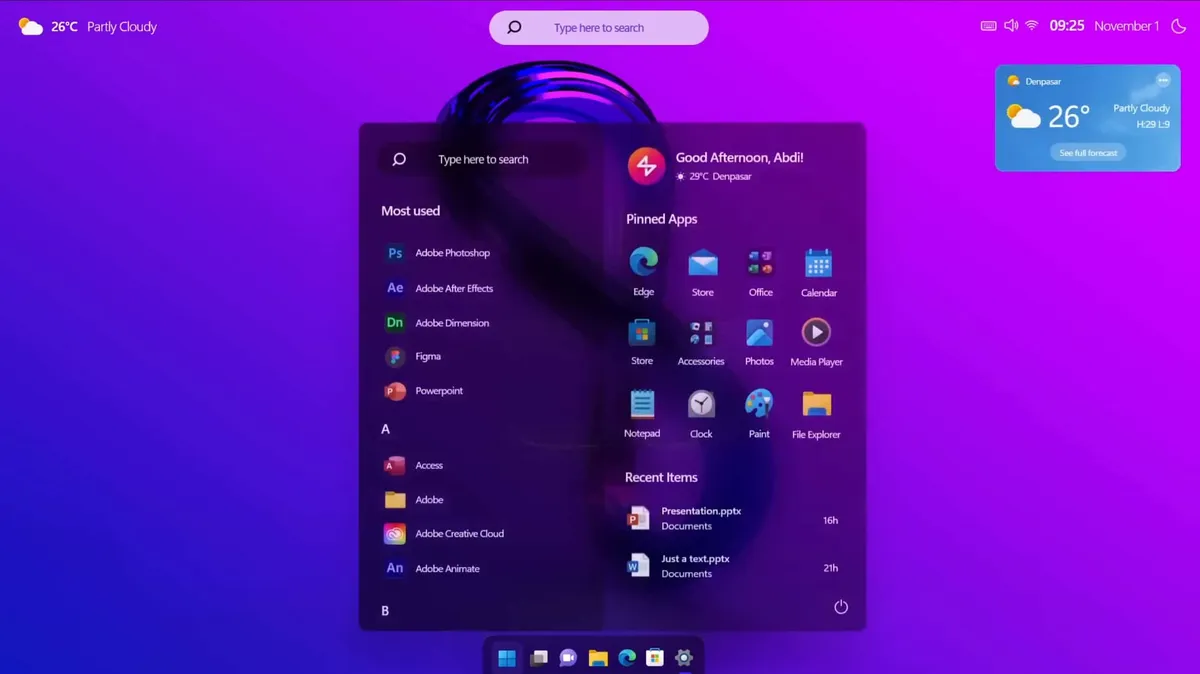
Prior Expectations for Windows 12
For many users, the anticipation of Windows 12 has been fueled by a history of Microsoft’s operating system releases. The expectation was that a new version would emerge, possibly as a response to the challenges faced by Windows 11, which introduced stringent hardware requirements such as TPM 2.0 and newer CPU specifications. This shift raised concerns among users about compatibility and accessibility, particularly for those with older machines.
The Shift in Narrative
However, recent reports have clarified that the rumors surrounding a potential Windows 12 release are largely unfounded. Notably, the claim of a 2026 launch has been debunked, with experts emphasizing that the information circulating lacks credible sourcing. Brad Chacos pointed out that the assertions made in various articles about Windows 12 were not based on original reporting, rendering them unreliable. This decisive moment has shifted the conversation from excitement to skepticism regarding the future of Microsoft’s operating systems.
Immediate Effects on Users
The immediate fallout from these revelations has been significant. As Windows 10 is set to exit support in 2025, users are faced with limited options. Many are considering the implications of remaining on an unsupported operating system or transitioning to alternatives like Linux, which has been gaining traction. StatCounter data indicates that desktop Linux reached approximately 4% of the global market in 2024, its highest level on record, suggesting a growing interest among users seeking more stable and resource-efficient operating systems.
Expert Perspectives on the Transition
Experts suggest that the ongoing issues with Microsoft’s operating systems could drive users toward Linux, especially those with older hardware. Linux’s ability to thrive on modest systems makes it an appealing choice for budget-conscious users. As one expert noted, “Windows 12 could be the tipping point that finally pushes you to Linux – here’s why.” This perspective highlights the potential for a significant shift in user preferences as dissatisfaction with Windows 11 grows.
Microsoft’s AI Integration
Another factor contributing to the conversation about Windows 12 is Microsoft’s integration of AI technologies across its platforms. With features like Copilot embedded in Windows 11, Microsoft is positioning itself as a leader in AI-driven user experiences. However, this shift raises concerns among users who prefer a traditional operating system without AI influences. As one commentator remarked, “If you want an AI-less Windows, you’ll be out of luck, and once Microsoft makes that change, there will be no going back.” This sentiment underscores the tension between innovation and user preference.
Looking Ahead
As the landscape of operating systems evolves, the uncertainties surrounding Windows 12 remain. The exact release date and specific features of this anticipated version are still unclear, leaving users in a state of anticipation. Details remain unconfirmed, and as Microsoft continues to navigate its operating system strategy, users will need to weigh their options carefully.
The discourse surrounding Windows 12 reflects broader trends in technology and user expectations. While the rumors have sparked interest, the reality is that many claims lack verification. As users consider their future operating system choices, the potential for a migration to Linux may become more pronounced, especially in light of Microsoft’s recent challenges and the evolving demands of modern computing.