Introduction
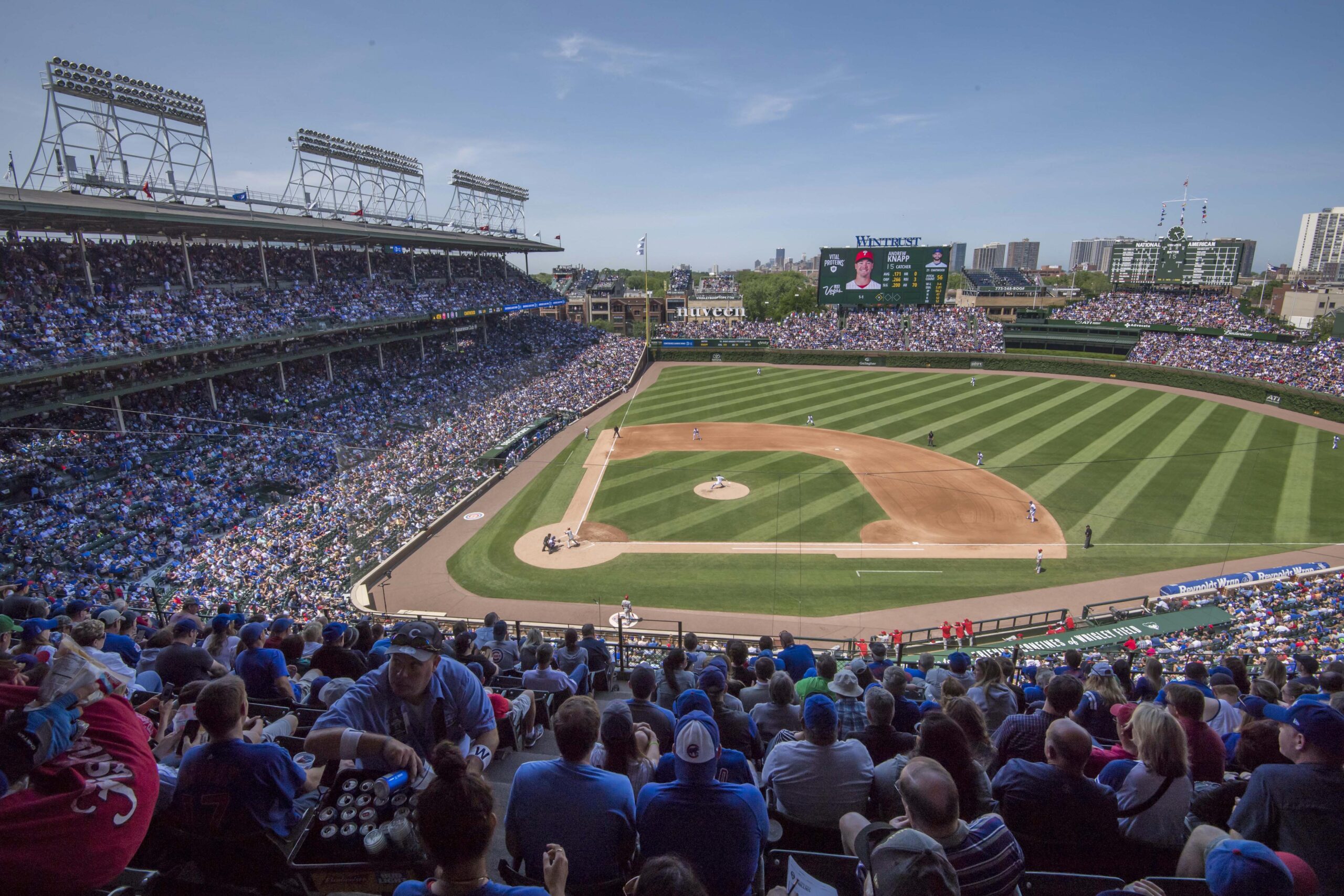
Wrigley Field, renowned as one of Major League Baseball’s most iconic stadiums, holds a special place in the hearts of sports fans and history buffs alike. Located in the Lakeview neighborhood of Chicago, Illinois, it has been the cherished home of the Chicago Cubs since 1916. With its ivy-covered walls, marquee signage, and unique rooftop views from neighboring buildings, Wrigley Field is more than just a ballpark; it’s a symbol of baseball heritage and tradition.
A Rich History
The storied history of Wrigley Field dates back to its opening on April 23, 1914, as Weeghman Park, named after Charles Weeghman, the owner of the then Chicago Federals. It became Wrigley Field in 1926 after chewing gum magnate William Wrigley Jr. purchased the team. Over the decades, the field has witnessed numerous historical moments, including the Cubs’ 2016 World Series victory, which ended a 108-year championship drought, creating an unforgettable atmosphere in the stadium that year.
Recent Developments
In recent years, Wrigley Field has undergone significant renovations, balancing the preservation of its historic charm with the need for modern amenities. A major redevelopment project completed in 2014 has introduced a new center field video board, expanded concourse areas, and enhanced restroom facilities. These improvements have not only elevated the fan experience but have also made the venue suitable for hosting various events beyond baseball, including concerts and other sporting events.
Additionally, the Cubs announced plans to further enhance the surrounding area with the development of Wrigleyville, which includes new dining and entertainment options, further embedding the ballpark into the fabric of the community.
Conclusion
Wrigley Field continues to be a vital part of Chicago’s sports culture and tourism. It draws millions of visitors each season, eager to experience a game in one of the oldest ballparks in America. As it stands today, Wrigley Field represents not only the history of the Chicago Cubs but also the resilience and spirit of a city that cherishes its traditions while embracing modernity. Looking into the future, Wrigley Field is set to remain a pivotal landmark, holding its ground as a beloved venue amid the ever-changing landscape of sports and entertainment.