Yemen’s Houthi rebels have launched ballistic missile attacks on Israel, marking their first direct involvement in the ongoing conflict. The attacks were confirmed by the Houthis on Saturday, indicating a significant escalation in hostilities.
The missile strikes are a response to the continued targeting of infrastructure in Iran, Lebanon, Iraq, and the Palestinian territories. Houthi spokespersons have pledged to continue their operations until what they describe as aggression on all fronts ceases.
This development comes amidst a backdrop of heightened tensions in the region. The Houthis, who have controlled Yemen’s capital, Sanaa, since 2014, had previously refrained from direct involvement in the Israel-Hamas war but have now disrupted naval traffic in the Red Sea during the conflict.
The U.S. military has responded to the escalating situation by building up its forces in the region, deploying the largest American military presence in over 20 years, including two aircraft carriers and approximately 50,000 troops. This buildup follows previous U.S. and Israeli strikes on Iran aimed at halting its nuclear weapon development.
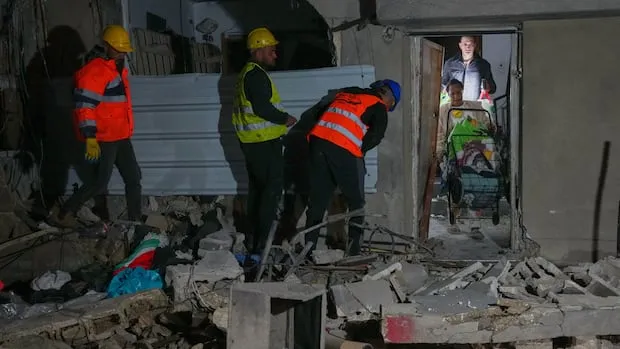
As the conflict intensifies, the humanitarian toll continues to rise. Reports indicate that 1,900 people have been killed in Iran since the start of the conflict, alongside casualties in Lebanon, Iraq, and Israel. Notably, 19 individuals have died in Israel due to the ongoing violence.
In a statement reflecting the dire situation, a reporter from Al Jazeera noted, “Civilians are bearing the brunt of this war.” The Houthis’ recent actions underscore their commitment to supporting what they call “resistance fronts in Palestine, Lebanon, Iraq, and Iran.”
Details remain unconfirmed regarding the full extent of the damage or casualties resulting from the missile strikes. The international community watches closely as the situation unfolds, with potential implications for regional stability.