Introduction to Sciatica
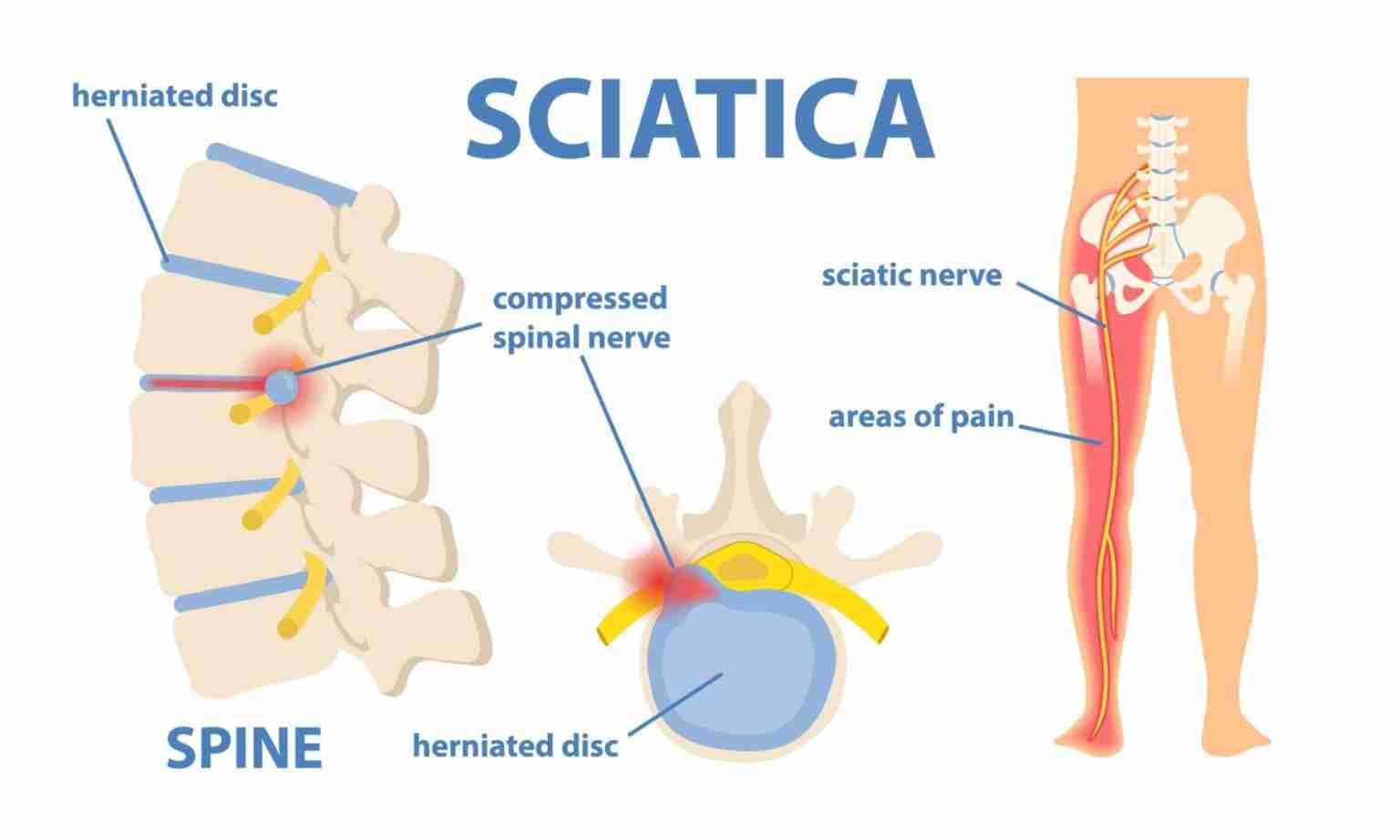
Sciatica is a medical condition characterized by pain that radiates along the path of the sciatic nerve, which runs from the lower back through the hips and down each leg. As one of the most common forms of nerve pain, sciatic nerve sensation can drastically impact the quality of life for millions of people worldwide. Understanding the symptoms, causes, and treatment options for sciatica is vital as it allows patients to seek timely intervention, enhancing their recovery chances.
What Causes Sciatica?
Sciatica is often the result of a herniated disk, bone spur on the spine, or narrowing of the spine (spinal stenosis) that presses on the nerve. According to the American Academy of Orthopaedic Surgeons (AAOS), the most common factors contributing to sciatica include:
- Degenerative disc disease: Age-related wear and tear can cause discs to lose their cushioning ability, leading to nerve compression.
- Herniated discs: When a disc in the spine bulges out, it can press on nerves.
- Spondylolisthesis: A condition where a vertebra slips out of place, causing nerve irritation.
- Injuries and trauma: Accidents or sports injuries can lead to sciatica through sudden impact.
- Pregnancy: The added weight and changes in posture during pregnancy can lead to sciatica symptoms.
Symptoms of Sciatica
The hallmark of sciatica is unmistakable pain that affects the lower back, buttocks, and leg. Symptoms can vary widely among individuals and may include:
- Pain: Sharp, shooting pain in the leg that may worsen when sitting.
- Numbness: Tingling or numbness in the leg and foot.
- Muscle weakness: Experiencing weakness in the leg or foot.
- Difficulty moving: Trouble bending or straightening the leg.
Treatment Options for Sciatica
Managing sciatica effectively requires a multifaceted approach based on severity and duration of symptoms. Common treatments include:
- Physical therapy: Exercises and stretches can strengthen the muscles, providing pain relief.
- Medications: Nonsteroidal anti-inflammatory drugs (NSAIDs), muscle relaxants, and corticosteroids are often prescribed.
- Hot and cold therapy: Applying heat or ice can reduce inflammation and alleviate discomfort.
- Surgery: In severe cases, surgical options may involve removing the bone spur or herniated disk.
Conclusion
With early diagnosis and the appropriate treatment strategy, individuals suffering from sciatica can return to their daily activities and alleviate chronic pain. It is essential for those experiencing symptoms to consult with a healthcare professional for personalized advice. As studies continue to examine the efficacy of various treatments, advancements in non-invasive therapies hold promise for improving recovery outcomes. Understanding sciatica not only empowers patients but also helps raise awareness about its impact on quality of life.