Introduction
Huntington’s disease (HD) is a rare, hereditary neurodegenerative disorder that affects the brain’s nerve cells. It often leads to a decline in cognitive function and motor skills, profoundly impacting both individuals and their families. Despite its rarity, understanding HD is crucial due to its implications for affected individuals and ongoing research aimed at finding effective treatments and improving quality of life.
Current Understanding of Huntington’s Disease
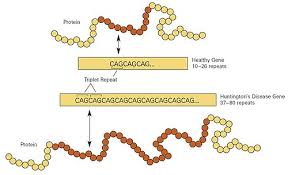
Currently, Huntington’s disease is known to be caused by a genetic defect in the HTT gene on chromosome 4, which leads to the production of an abnormal form of the huntingtin protein. This progressive disorder typically manifests symptoms in mid-adulthood, around ages 30 to 50, but can also appear earlier or later.
Common symptoms include involuntary movements, emotional disturbances, and cognitive decline. As the disease progresses, individuals may face significant challenges in their daily lives, including difficulties in performing basic tasks and maintaining interpersonal relationships.
Recent Research and Developments
Over the past few years, significant advances have been made in understanding Huntington’s disease at a molecular level, leading to potential therapeutic approaches. Researchers are exploring gene-silencing techniques, such as antisense oligonucleotides, which aim to reduce the levels of the toxic huntingtin protein in the brain. A recent clinical trial for one such treatment has shown promising results, suggesting that it can reduce protein levels and may slow disease progression.
Moreover, the establishment of biobanks and research consortia has allowed for better data sharing and collaboration among scientists, accelerating the pace of discovery. Notable organizations such as the Huntington’s Disease Society of America (HDSA) are raising awareness and funding research initiatives that focus on finding a cure.
Conclusion
Huntington’s disease remains a significant health challenge for affected individuals, families, and the medical community. However, with ongoing research efforts, there is hope for more effective treatments and support systems. Continued advancements in gene therapy and a deeper understanding of the biological mechanisms underpinning HD are vital to changing the trajectory of this disease. As research progresses, raising awareness about Huntington’s disease will be instrumental in fostering a supportive environment for those impacted by this condition.