Introduction
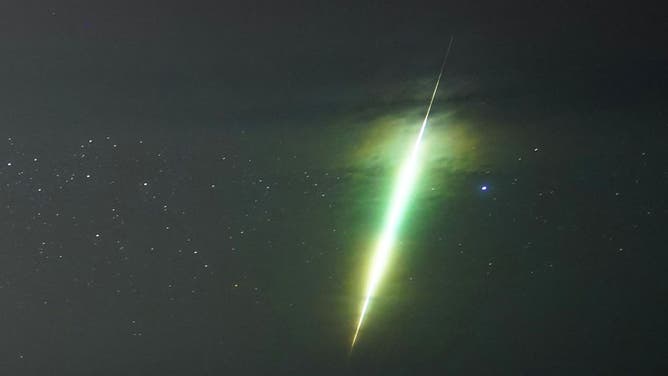
The Draconid meteor showers are an annual celestial event that captivates amateur astronomers and stargazers alike. Occurring every October, these meteors are known for their unpredictable nature, with the potential to produce dramatic bursts of shooting stars. Understanding when and how to observe this display offers a unique opportunity for sky-watchers to connect with the wonders of the universe.
What Are Draconid Meteor Showers?
The Draconids are associated with the comet Giacobini-Zinner, which orbits the sun every 6.6 years. As the Earth travels through the trail of debris left by the comet, small particles enter our atmosphere, resulting in the meteor shower. Usually peaking around October 8th each year, the Draconids are best viewed from the Northern Hemisphere, although observers in other regions may also catch glimpses of this spectacular event.
Draconids in 2023
This year, the Draconid meteor shower is expected to peak on the night of October 8th and into the early hours of October 9th. Astronomers predict that while it may not produce the jaw-dropping displays seen in some previous years, it is still advisable for stargazers to find a dark location away from city lights for optimal viewing. Conditions in 2023 are forecasted to be favorable, as the waning crescent moon will set early, allowing for a darker sky to witness the meteors.
How to Observe the Draconids
To enhance your experience of watching the Draconid meteor showers, follow these simple steps:
- Choose the Right Location: Find an open area with minimal light pollution.
- Time Your Viewing: Look towards the northern sky, specifically in the constellation Draco, after sunset and before dawn.
- Be Patient: Allow your eyes to adjust to the darkness, as this could take up to 30 minutes.
- Use Comfortable Gear: Bring along a reclining chair or blanket to enjoy the show comfortably.
Observers may see anywhere from a handful to several hundred meteors per hour, depending on the intensity of the shower.
Conclusion
The Draconid meteor showers not only provide a spectacular natural light show, but they also connect viewers to the rhythm of cosmic events. While their displays can be variable, each occurrence emphasizes the unpredictable nature of meteor showers and their place in astronomy. As we approach October, gear up for the 2023 Draconid meteor shower—a perfect occasion to gather family and friends under the night sky, sharing in the awe and wonder of the cosmos. Don’t forget to mark your calendars for the night of October 8th!