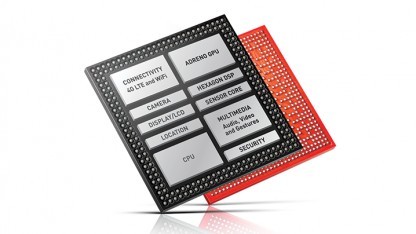
Introduction to Snapdragon Technology
Snapdragon, a product line of mobile system-on-chip (SoC) semiconductors designed by Qualcomm, plays a crucial role in the mobile technology landscape. Known for powering a wide array of smartphones, tablets, and other smart devices, Snapdragon processors have become synonymous with high-performance mobile computing. As technology evolves, the significance of Snapdragon continues to grow, influencing how consumers experience mobile connectivity and performance.
Recent Developments in Snapdragon
This year, Qualcomm launched the Snapdragon 8 Gen 2 processor, heralded as one of the most powerful mobile chips available. This processor not only enhances gaming and graphics capabilities but also offers significant improvements in artificial intelligence (AI) and machine learning functionalities. The architecture allows for increased speed and efficiency, providing a seamless user experience for mobile gamers and productivity applications alike.
Moreover, the Snapdragon 7 Gen 1 processor was introduced to cater to mid-range devices, promising premium performance at a more affordable price point. This move reflects a strategic effort by Qualcomm to cater to a broader audience while still pushing the boundaries of mobile technology.
Impact on Mobile Devices
Snapdragon’s advancements are not just a boon for high-end devices; they also enhance lower-tier smartphones. Manufacturers are increasingly relying on Snapdragon processors to deliver competitive performance across various price ranges. This democratization of technology allows more users access to top-notch features such as high-definition photography, immersive gaming experiences, and rapid connectivity through 5G.
The Future of Snapdragon Technology
Looking forward, Qualcomm is expected to continue its innovation trajectory with upcoming releases, focusing on integrating further AI capabilities and enhanced battery efficiencies. Industry analysts forecast that the growing demand for smart devices and the Internet of Things (IoT) will spur additional advancements in Snapdragon technology. With a focus on sustainability and efficiency, the next generations of Snapdragon chips are anticipated to not only push the envelope of performance but also minimize energy consumption, aligning with global environmental efforts.
Conclusion
The relevance of Snapdragon technology in the current mobile landscape cannot be overstated. As mobile demands evolve, Qualcomm’s continued innovation is positioned to shape the future of mobile devices drastically. Consumers can look forward to experiencing substantial enhancements in their devices, driven by the relentless advancements in Snapdragon technology. As a result, staying informed about these developments is crucial for consumers and industry stakeholders alike, ensuring they leverage the best of what mobile technology has to offer.