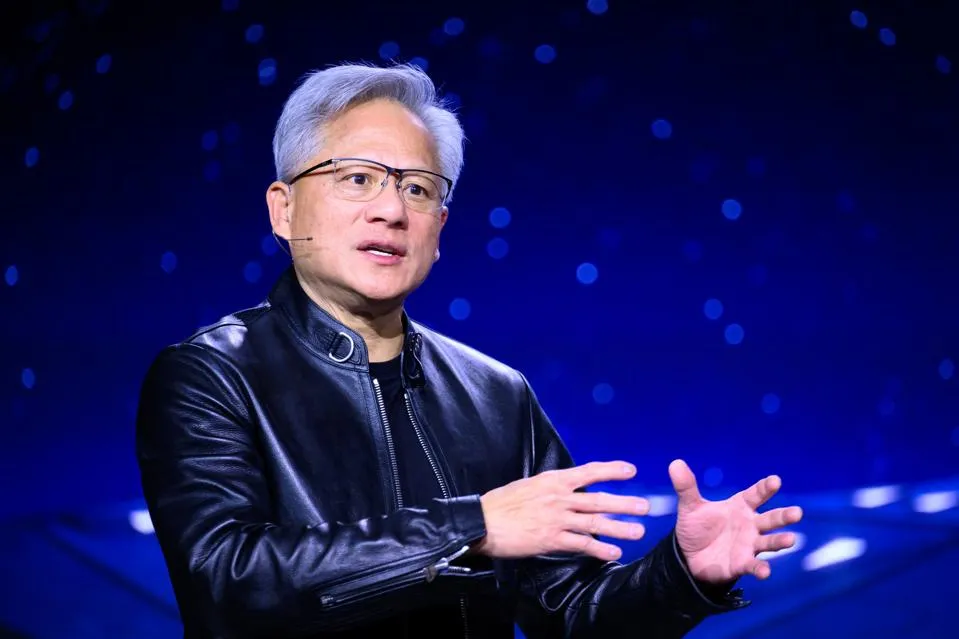
Nvidia CEO Jensen Huang has made a bold claim that artificial general intelligence (AGI) has been achieved, a statement that could reshape the landscape of technology and business. Huang stated, “I think it’s now. I think we’ve achieved AGI,” during a recent appearance on Lex Fridman’s podcast.
This assertion comes amidst growing discussions about the potential of AI to run entire companies autonomously. Huang emphasized that high-level AGI is expected to make strategic decisions typically reserved for humans, indicating a significant leap in AI capabilities.
Moreover, Huang pointed to OpenClaw, an open-source AI agent platform designed to operate independently on behalf of users, as evidence of this advancement. However, he also noted, “The odds of AI agents ‘building Nvidia is 0%,'” suggesting that while AGI may be achieved, its implications for the company itself remain limited.
Sam Altman, CEO of OpenAI, echoed Huang’s sentiments, stating, “We basically have built AGI, or very close to it.” This alignment among leading tech figures raises the stakes for the future of AI and its integration into everyday business practices.
However, not all industry leaders share this optimistic view. Microsoft CEO Satya Nadella countered that the industry is still far from achieving true AGI, highlighting the ongoing debate within the tech community regarding the definition and timeline of AGI.
Critics have raised alarms about the potential harms of AGI, particularly concerning public health and job security. As AI systems become more capable, the implications for the workforce and societal structures could be profound.
The loose definition surrounding AGI complicates the establishment of a reliable timeline for its creation and widespread application, leaving many questions unanswered. Details remain unconfirmed regarding the full capabilities and risks associated with AGI.
As the conversation around AGI continues to evolve, further developments are expected, with industry leaders likely to provide more insights into the practical applications and ethical considerations of this groundbreaking technology.