Introduction
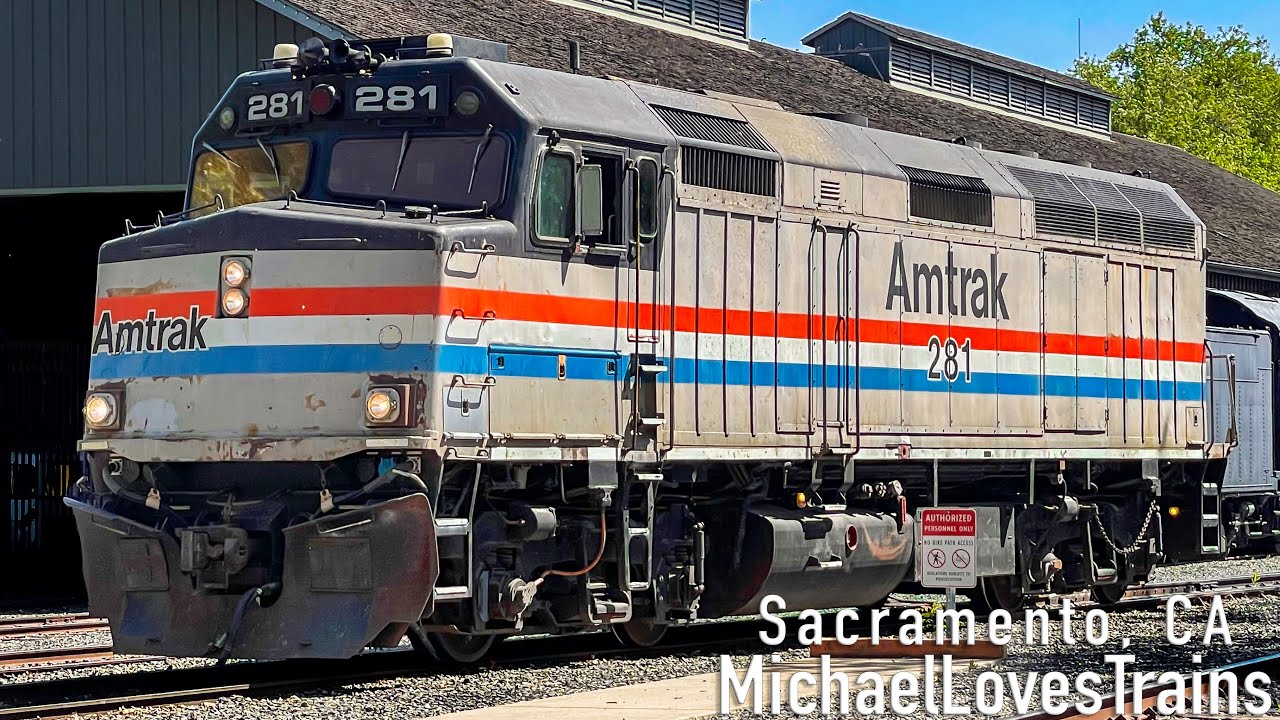
Amtrak, officially known as the National Railroad Passenger Corporation, plays a crucial role in America’s transportation infrastructure. Established in 1971, Amtrak was created to provide intercity passenger rail service across the United States, filling the gap left by the declining private railroad industry. As the demand for sustainable travel options increases, Amtrak’s significance grows, making it a pivotal player in the push for greener transportation solutions.
Recent Developments
In recent months, Amtrak has been expanding its services and investing in infrastructure improvements to better meet the needs of its passengers. For example, the agency recently announced plans to increase the frequency of certain routes, such as the long-awaited reinstatement of the Sunset Limited, which runs from New Orleans to Los Angeles. This move has been welcomed by travelers looking for alternatives to air travel amid ongoing concerns about climate change.
Additionally, Amtrak has been focusing on upgrading its rolling stock and stations across the country. The investment in new, energy-efficient trains is set to improve the travel experience, with reports indicating a reduction in travel times and increased comfort for riders. The ongoing enhancements to station facilities will also include better accessibility features and upgraded amenities, helping to attract a more diverse range of passengers.
Challenges Facing Amtrak
Despite its advancements, Amtrak faces several challenges. The agency relies heavily on federal funding, which has been a point of contention in Congress. Budget constraints could limit the scope of planned improvements and expansions, making it vital for advocates of public transportation to push for increased investment in rail services.
Moreover, Amtrak competes with not only regional airlines but also bus services, which offer a more cost-effective travel option for some consumers. To combat this, Amtrak has initiated campaigns to highlight the convenience and environmental benefits of train travel, such as reducing carbon emissions and avoiding airport delays.
Conclusion
Amtrak stands at a crossroads in America’s approach to transportation. As we move towards more sustainable travel options, its importance is likely to increase. With ongoing infrastructure investments and a focus on enhancing passenger experiences, Amtrak could play a vital role in reshaping how Americans think about long-distance travel. If policymakers continue to support rail travel, Amtrak may emerge as a modern, reliable choice for future generations, significantly contributing to a more sustainable transportation landscape.