Introduction
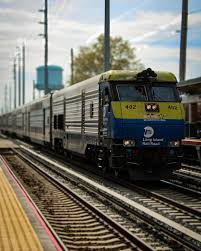
The potential Long Island Rail Road (LIRR) strike has been a focal point of discussion in New York, highlighting the significance of public transportation in the metropolitan area. As one of the busiest commuter railroads in the United States, the LIRR is crucial for daily commuters traveling to and from Manhattan and Long Island. The threat of a strike poses substantial challenges for thousands of riders who rely on these services for their everyday commute.
Current Situation
As of this month, labor negotiations between the Metropolitan Transportation Authority (MTA) and the union representing LIRR workers have hit a stalemate. A strike could occur as early as next week if an agreement is not reached. Union leaders argue that workers require better pay and improved working conditions, while the MTA is focused on budgetary constraints and service reliability for the millions who utilize the service.
Last week, union representatives stated that the workers have not seen significant pay increases in years and are seeking reforms to hours and workload that they argue are pivotal for their wellbeing. Reports indicate that approximately 300,000 commuters would be directly affected by a strike, leading to severe congestion on the already crowded roads and public transport systems.
Potential Economic Impact
An LIRR strike would not only affect daily commute patterns but could also have significant economic implications. According to transit experts, the New York economy relies heavily on its public transport system, and a disruption like a strike could lead to decreased productivity. Businesses that depend on reliable transport for both employees and customers may experience service disruptions, leading to potential financial losses.
Conclusion
The possibility of a LIRR strike remains high with negotiations teetering on the edge. As the deadline approaches, both sides are under immense pressure to come to a resolution that adequately addresses the needs of the workers while also safeguarding the transit needs of the public. Commuters are advised to start exploring alternative travel options as they prepare for the potential fallout. Given the economic implications, the outcome of the negotiations will undoubtedly resonate beyond just the workforce, underscoring the vital role of public transportation in New York’s overall economy.