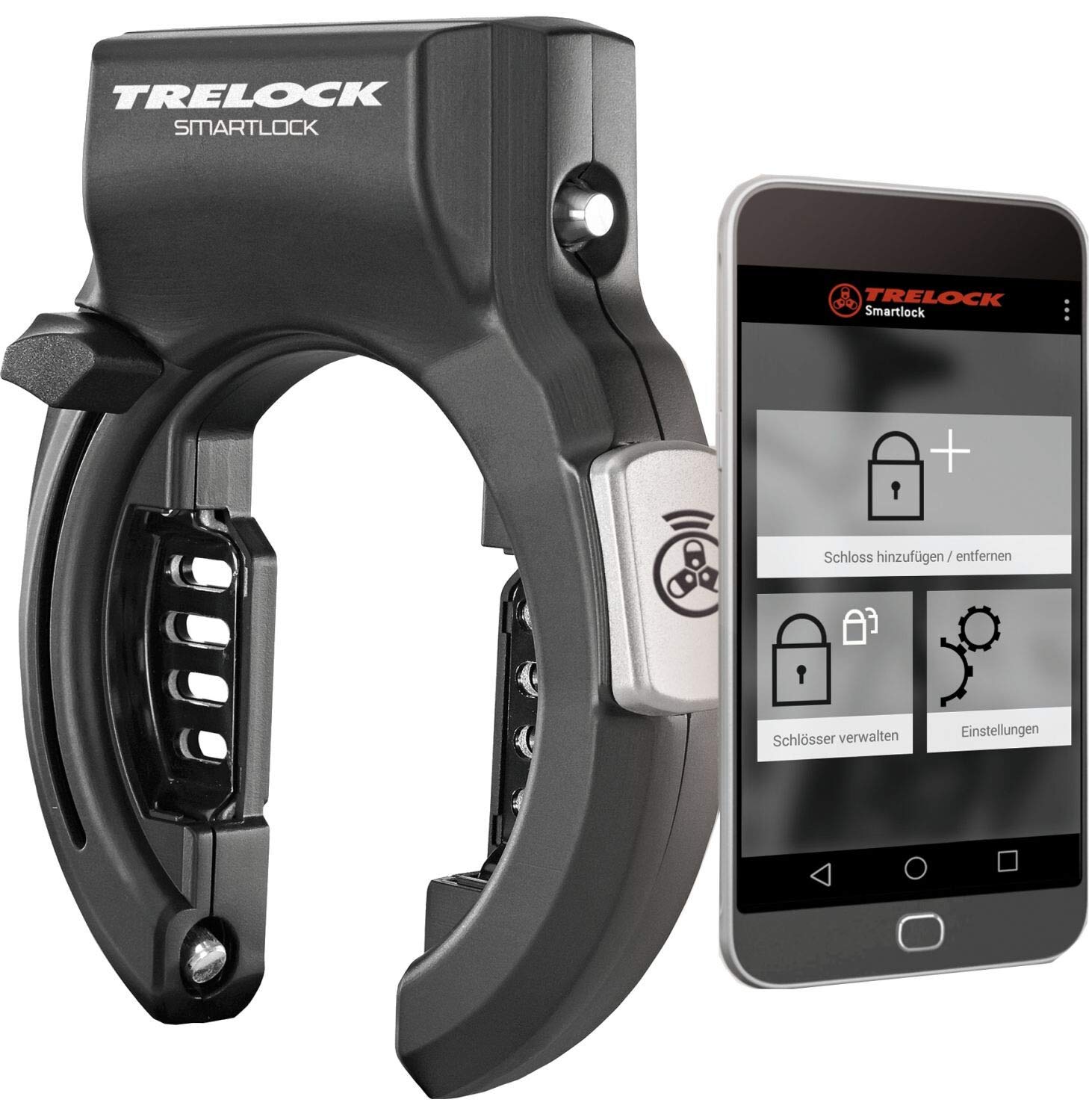
Introduction to NFC Technology
Near Field Communication, commonly known as NFC, is revolutionizing how we interact with our devices and make transactions. In today’s fast-paced digital age, NFC technology offers a seamless and efficient way to connect, communicate, and transact. With applications ranging from contactless payments to data sharing, understanding NFC is crucial for consumers and businesses alike.
The Evolution of NFC
NFC technology dates back to the early 2000s, developing as a subset of RFID (Radio-Frequency Identification). While RFID allows for longer-range communication, NFC enables secure transactions through close proximity, typically within a few centimeters. The popularity of this technology surged with the rise of mobile payments, particularly with the launch of Apple Pay and Google Wallet.
Applications of NFC
NFC has a broad spectrum of applications. Here are some key uses:
- Contactless Payments: NFC facilitates secure transactions, allowing consumers to tap their phones or cards against a payment terminal. This method has gained immense traction during the Covid-19 pandemic, where contactless payments became a preferred method of transaction.
- Mobile Ticketing: Many public transport systems and event organizers now utilize NFC technology, allowing users to store tickets on their mobile devices and use them by simply tapping their phones.
- Data Sharing: NFC enables users to share data such as photos, videos, and contact information just by bringing two NFC-enabled devices close together.
- Smart Products: NFC tags are embedded in various products, allowing consumers to access information or connect with services through their smartphones.
The Benefits of NFC
NFC technology presents multiple advantages including:
- Convenience: Users can complete transactions or share data quickly without the need for additional steps.
- Security: NFC transactions can include encryption and authentication, enhancing the safety of sensitive information.
- Efficiency: Reduces transaction times, improving customer experience in retail environments.
Conclusion: The Future of NFC
As NFC technology continues to evolve, its significance in everyday life is expected to grow further. With the increasing emphasis on security and convenience in digital transactions, NFC’s role in payment systems and data communication is likely to expand. Moreover, as more businesses adopt this technology, enhanced services and new applications will emerge, making NFC an integral part of the digital landscape. For consumers, keeping up with NFC advancements will be crucial to fully leverage its revolutionary benefits.