Introduction
Parkinson’s disease is a progressive neurological disorder that affects millions of people worldwide. It primarily impacts movement and can lead to severe physical and cognitive disabilities over time. As awareness of this disease grows, it’s essential to understand its causes, symptoms, and the current state of research and care. With more than 10 million affected globally, the importance of this topic is relevant not only for those diagnosed but also for caregivers and health professionals who play a vital role in managing this chronic condition.
What is Parkinson’s Disease?
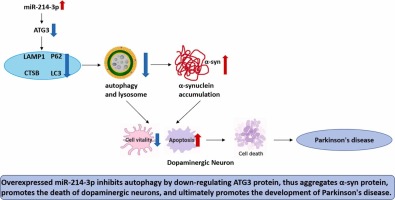
Parkinson’s disease occurs when nerve cells in the brain become damaged or die, leading to a decrease in dopamine production. Dopamine is a neurotransmitter that plays a critical role in coordinating movement. The exact cause of Parkinson’s remains unclear, but a combination of genetic mutations and environmental factors is believed to contribute to its development.
Symptoms
The symptoms of Parkinson’s disease vary widely among individuals and can evolve over time. Common early signs include:
- Tremors or shaking, especially in the hands.
- Stiffness or rigidity in the limbs.
- Slower movement (bradykinesia).
- Difficulty with balance and coordination.
As the disease progresses, individuals may experience a range of non-motor symptoms, including sleep disturbances, depression, and cognitive changes.
Latest Developments in Research
Recent advancements in research have provided new insights into potential treatments and strategies for managing Parkinson’s disease. The National Institute of Neurological Disorders and Stroke (NINDS) is actively funding studies into gene therapy, potential neuroprotective agents, and advances in deep brain stimulation techniques. For instance, a recent clinical trial demonstrated promising results for the use of a drug that targets inflammation in the brain, potentially slowing progression.
Conclusion
Parkinson’s disease remains a complex condition with no cure, but significant strides are being made in research and treatment options. As understanding of the disease improves, early diagnosis and management strategies can greatly enhance the quality of life for those affected. Ongoing education and support for caregivers are equally vital, as they navigate the challenges of this multifaceted disease. For families and individuals, staying informed about breakthrough therapies and actively participating in treatment discussions is essential for effective care management.