The Ugly Truth About Traditional De-icing Methods
Every winter, icy roads pose significant hazards for drivers and pedestrians alike. To combat this, municipalities have extensively relied on traditional de-icing chemicals like salt. While effective, these substances can lead to serious environmental problems, including soil and water contamination, and damage to vegetation and infrastructure. With climate concerns at the forefront, innovative solutions are being sought to ensure safe travel while minimizing environmental impact.
Enter Beet Juice
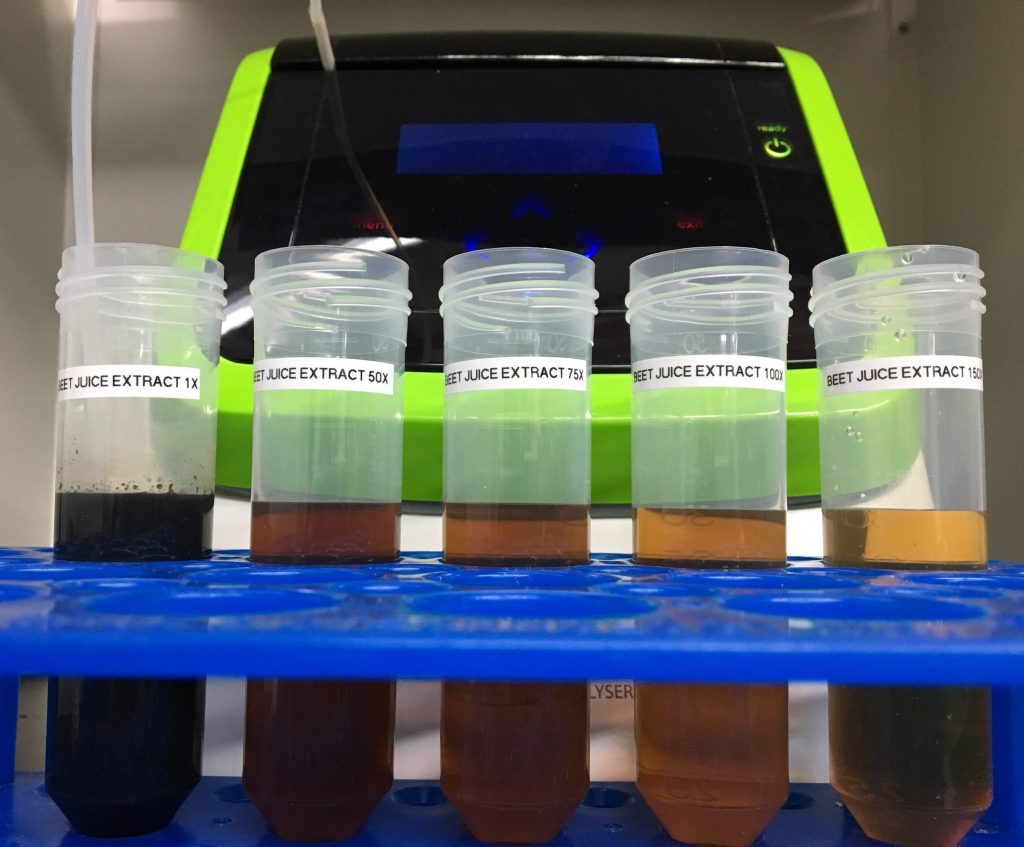
One such solution gaining traction is the use of beet juice as a de-icing agent. This natural byproduct, derived from sugar beets, is being mixed with traditional salt brine to enhance its effectiveness. Research has shown that beet juice can significantly lower the freezing point of the brine solution, making it more effective at lower temperatures. Additionally, the use of beet juice allows for a reduction in the overall amount of salt required, effectively minimizing the harmful effects on the environment.
Practical Implementation and Case Studies
Several cities across the United States and Canada have begun experimenting with beet juice for road de-icing. For instance, the city of Minneapolis has reported positive results after incorporating beet juice into its winter maintenance program. The combination of beet juice with salt brine has proven to work well in maintaining safe road conditions, showing a noticeable decrease in ice formation. Other municipalities, like those in Michigan, have similarly adopted this method, which has been well-received by residents appreciative of its eco-friendliness.
Benefits Beyond De-icing
Besides its role as an effective de-icer, beet juice offers additional benefits, such as its biodegradable nature. Unlike traditional salt, which can harm nearby vegetation, beet juice is less likely to cause extensive damage to landscapes and wildlife. As communities grow increasingly focused on sustainability, the shift to environmentally friendly options reflects a broader trend toward reducing the ecological footprint of winter maintenance practices.
Looking Ahead
The adoption of beet juice on roads signals a promising shift towards sustainable urban management. As winter maintenance continues to evolve, we can expect further innovations to arise. Municipalities are encouraged to explore alternative de-icing options, and with growing public support for environmentally-friendly solutions, beet juice might just pave the way for greener winters. This trend could not only ensure roads remain safe during icy conditions but also protect the environment we all share.