Introduction
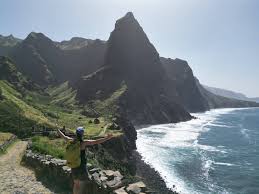
Cape Verde, an archipelago located about 570 kilometers off the west coast of Africa, is increasingly capturing the attention of travelers and environmentalists alike. Comprising ten volcanic islands, this nation is celebrated for its stunning landscapes, rich cultural heritage, and diverse ecosystems. As the geopolitical landscape continues to evolve, Cape Verde’s importance as a tourist destination and ecological sanctuary is becoming more pronounced.
Natural Wonders and Attractions
The islands boast a variety of environments, from arid beauty to lush highlands, exemplified by the highest peak, Mount Fogo, which rises to about 2,829 meters above sea level. Tourists flock to its crater and vineyards nestled far from the arid coastline. Sal and Boa Vista are renowned for their pristine beaches and crystal-clear waters, appealing to sun-seekers and water sports enthusiasts alike.
In addition to its breathtaking scenery, Cape Verde’s diverse flora and fauna make it an important hub for conservation. The landscape provides critical habitats for several endemic species, including marine life, birds, and flora. Recent initiatives to preserve these ecosystems are gaining international attention and support.
Culture and Community
Cape Verdean culture is a rich tapestry woven from its African, Portuguese, and Brazilian influences, visible in its music, dance, and cuisine. The traditional music genre, morna, often described as the ‘soul of Cape Verde,’ has gained international recognition. Festivals that celebrate this cultural heritage attract visitors from around the globe, further enhancing the island’s allure.
Economic Prospects and Challenges
The COVID-19 pandemic has significantly impacted the tourism industry in Cape Verde, leading to sharp economic declines. However, recent data indicates a rebound in tourism, with tourist numbers expected to rise as global travel restrictions ease. The government has been proactive in promoting eco-tourism and sustainable development, which could reshape the economy and create new job opportunities.
Conclusion
Cape Verde stands at the crossroads of tourism and environmental sustainability, making it a unique destination for nature lovers and cultural enthusiasts. As it recovers from the impacts of the pandemic, the archipelago has the potential to become a model for sustainable tourism and ecological conservation. This evolution not only contributes to the local economy but also enriches the global community by promoting awareness of the importance of these unique ecosystems. Travelers and investors alike should keep an eye on Cape Verde, as its future holds promises of growth and sustainability in a charming, culturally rich package.