Introduction
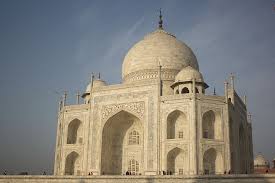
The Taj Mahal, a UNESCO World Heritage site and one of the New Seven Wonders of the World, is an exquisite mausoleum located in Agra, India. Constructed in the 17th century by Mughal Emperor Shah Jahan in memory of his beloved wife Mumtaz Mahal, it is a stunning example of Mughal architecture, and significance that transcends its physical beauty. The monument attracts millions of visitors each year, making it one of the most recognized structures globally.
Historical Significance
The construction of the Taj Mahal began in 1632 and was completed in 1648, although surrounding buildings and the garden were finished in subsequent years. Shah Jahan commissioned the structure to be built out of white marble intricately decorated with precious stones. The craftsmanship involved in creating the Taj Mahal incorporated various architectural styles, including Persian, Islamic, and Indian influences. This blend of styles signifies the cultural syncretism that characterized the Mughal era.
Current Events and Conservation Efforts
In recent years, the Taj Mahal has faced challenges concerning pollution and tourism management. Authorities have made concerted efforts to protect this architectural wonder from environmental damage, particularly due to high levels of air pollution affecting its white marble façade. In September 2023, the Archaeological Survey of India announced a new initiative focused on cleaning the marble and improving the surrounding environment, emphasizing the importance of maintaining the monument’s integrity.
Additionally, with the easing of COVID-19 restrictions, tourism is experiencing a revival. The Indian government has implemented new regulations to manage visitor access effectively while ensuring the monument’s preservation. This includes limiting the number of visitors at any given time and encouraging responsible tourism practices.
Conclusion
The Taj Mahal remains an enduring symbol of love, attracting millions as a testament to human artistry and devotion. Its significance goes beyond its stunning architecture, representing India’s rich history and cultural heritage. With ongoing conservation efforts and responsible tourism practices, future generations will continue to marvel at this magnificent monument. For those planning to visit, understanding the Taj Mahal’s history and current conservation status will enrich their experience, reminding them of the delicate balance between preserving the past and accommodating the future.