How it unfolded
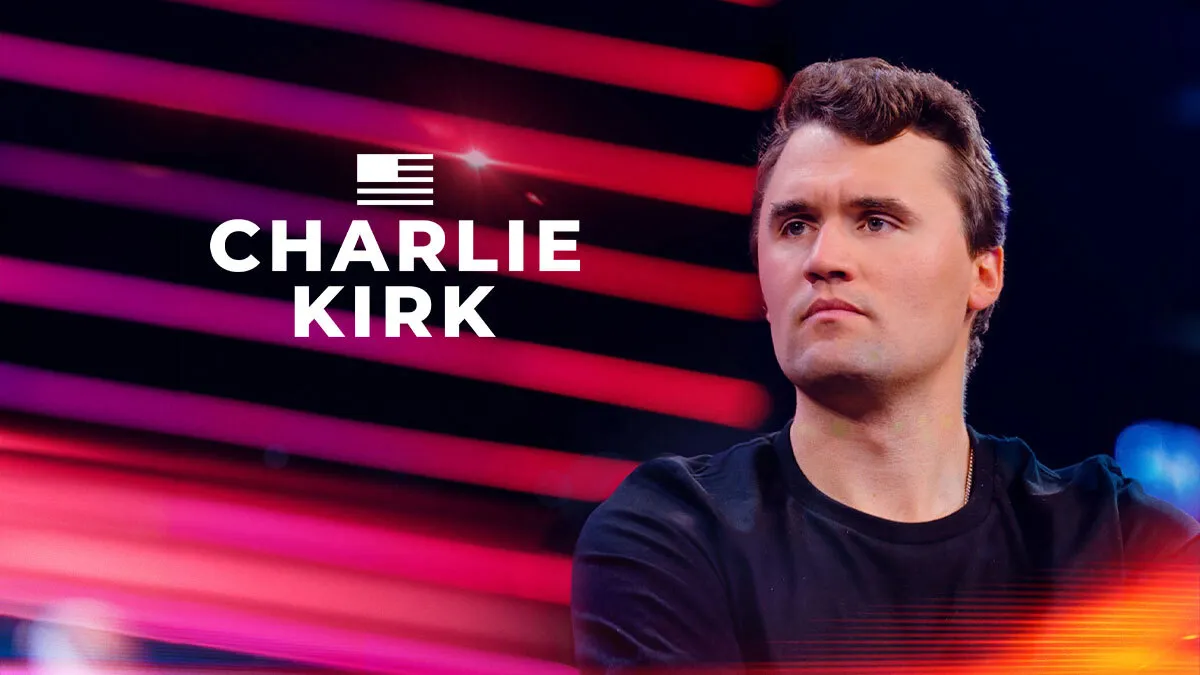
On September 10, 2025, a tragic event unfolded at Utah Valley University in Orem, Utah, where Charlie Kirk, a well-known conservative activist and founder of Turning Point USA, was assassinated while delivering a speech. This shocking incident has sent ripples through the political landscape, raising urgent concerns about the safety of public figures and the increasing climate of political violence.
Charlie Kirk, born in 1993, was a political prodigy who made significant strides in conservative activism from a young age. He founded Turning Point USA at the age of 18 and quickly became a prominent voice within the Republican Party. His close ties to Donald Trump, including over 100 visits to the Trump White House during Trump’s first term, positioned him as a key ally in conservative circles.
Leading up to the assassination, Kirk had been actively involved in various political activities, including supporting J.D. Vance’s Republican Senate bid in 2022 and organizing a ‘Stop the Steal’ rally in Arizona after the contentious 2020 presidential election. His controversial statements on topics such as COVID-19 treatments and gun deaths often sparked heated debates, but they also solidified his status as a polarizing figure.
As Kirk took the stage at Utah Valley University, he was met with a crowd eager to hear his views. However, the atmosphere turned tragic as he was shot, leading to immediate chaos and panic among attendees. Emergency responders rushed to the scene, but Kirk’s injuries were fatal. His assassination has prompted statements from both conservatives and liberals condemning political violence, highlighting the urgent need for dialogue and safety in political discourse.
In the aftermath of this event, many have reflected on Kirk’s legacy and the impact of his work. He was known for making bold statements, such as warning fellow conservative Joe Kent about the dangers of escalating tensions with Iran, saying, “Joe, stop us from getting into a war with Iran.” This final conversation underscores the weight of his influence and the seriousness with which he approached global issues.
Details remain unconfirmed regarding the motives behind the assassination, but it has sparked widespread outrage and calls for action against political violence. As the nation grapples with this loss, many are left questioning the safety of public figures and the future of political engagement in an increasingly divided society.
As we move forward, the lessons from Kirk’s life and untimely death will likely resonate within the political community. His journey from a young op-ed writer at Breitbart News to the youngest speaker at the 2016 Republican National Convention at age 22 serves as a reminder of the potential impact one individual can have on the political landscape. The coming months will be crucial for reflection and perhaps a reevaluation of how political discourse is conducted in America.