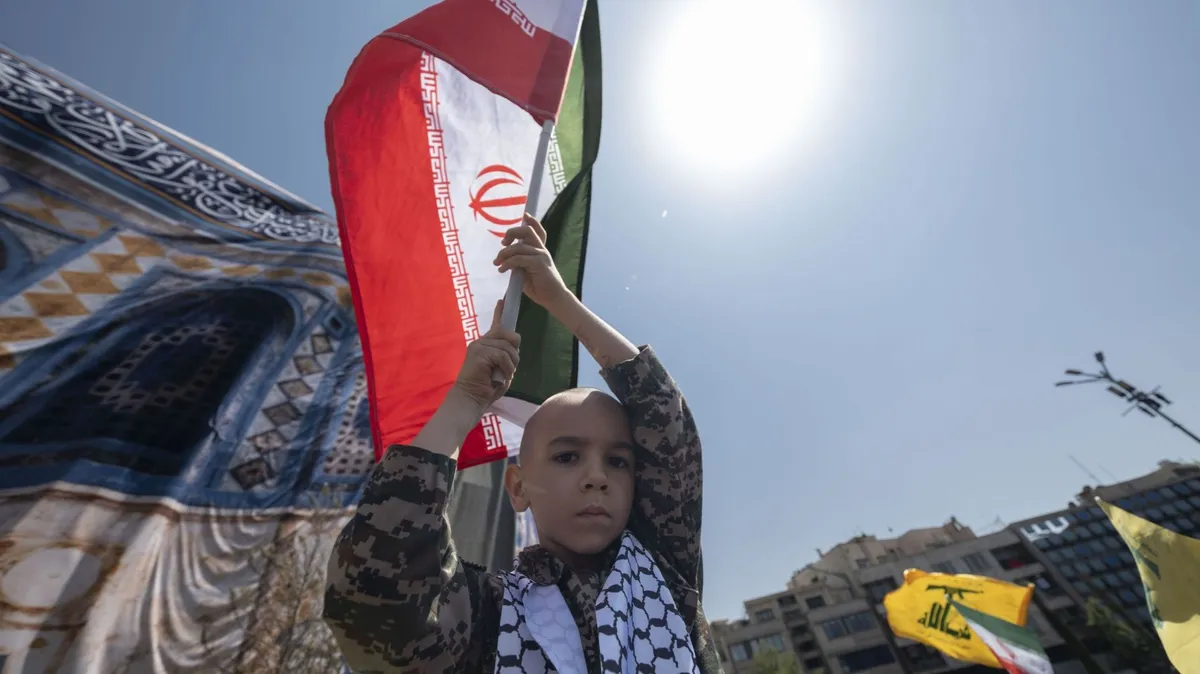
Reaction from the field
The Iran War has escalated dramatically, with Iran intensifying attacks on energy sites across Gulf countries, including a Saudi refinery and facilities in Qatar and Kuwait. This surge in aggression is a direct retaliation for an Israeli strike on Iran’s main gas field, marking a significant turning point in the conflict that began on February 28, 2026.
The consequences of these attacks are profound. Brent crude oil prices have surged to $114 per barrel, reflecting a staggering increase of over 57% since the onset of hostilities. This spike in oil prices raises concerns not only for the economies of the involved nations but also for global markets reliant on stable oil supplies.
Casualties have mounted alarmingly. Reports indicate that over 1,300 people have been killed in Iran since the conflict began, while 15 individuals have lost their lives in Israel due to Iranian missile strikes. Additionally, at least 13 American soldiers have been killed during the ongoing conflict, further complicating the geopolitical landscape.
The humanitarian impact is equally dire, with more than 1 million Lebanese displaced as a result of Israeli airstrikes. These developments have led to a significant deterioration in regional stability, with the Saudi Foreign Minister stating that trust has been completely annihilated due to the assaults on the kingdom.
Israeli airstrikes have specifically targeted the South Pars gas field, a critical resource shared with Qatar. Israeli officials have indicated that these strikes aim to deepen the damage inflicted on Iran, which has responded with strong condemnation, warning of uncontrollable consequences if such actions continue.
As the conflict unfolds, the security of maritime routes in the Gulf has become a pressing concern, with potential implications for global trade and energy supplies. The situation remains fluid, and further developments are anticipated as both sides continue to engage in hostilities.
Former President Donald Trump has warned that the United States would respond decisively, threatening to destroy the entirety of the gas field if necessary. This rhetoric underscores the high stakes involved and the potential for further escalation in the region.
Details remain unconfirmed regarding the full extent of the damage and casualties as both sides continue to exchange fire. The international community watches closely, hoping for a resolution to this increasingly volatile situation.