Introduction
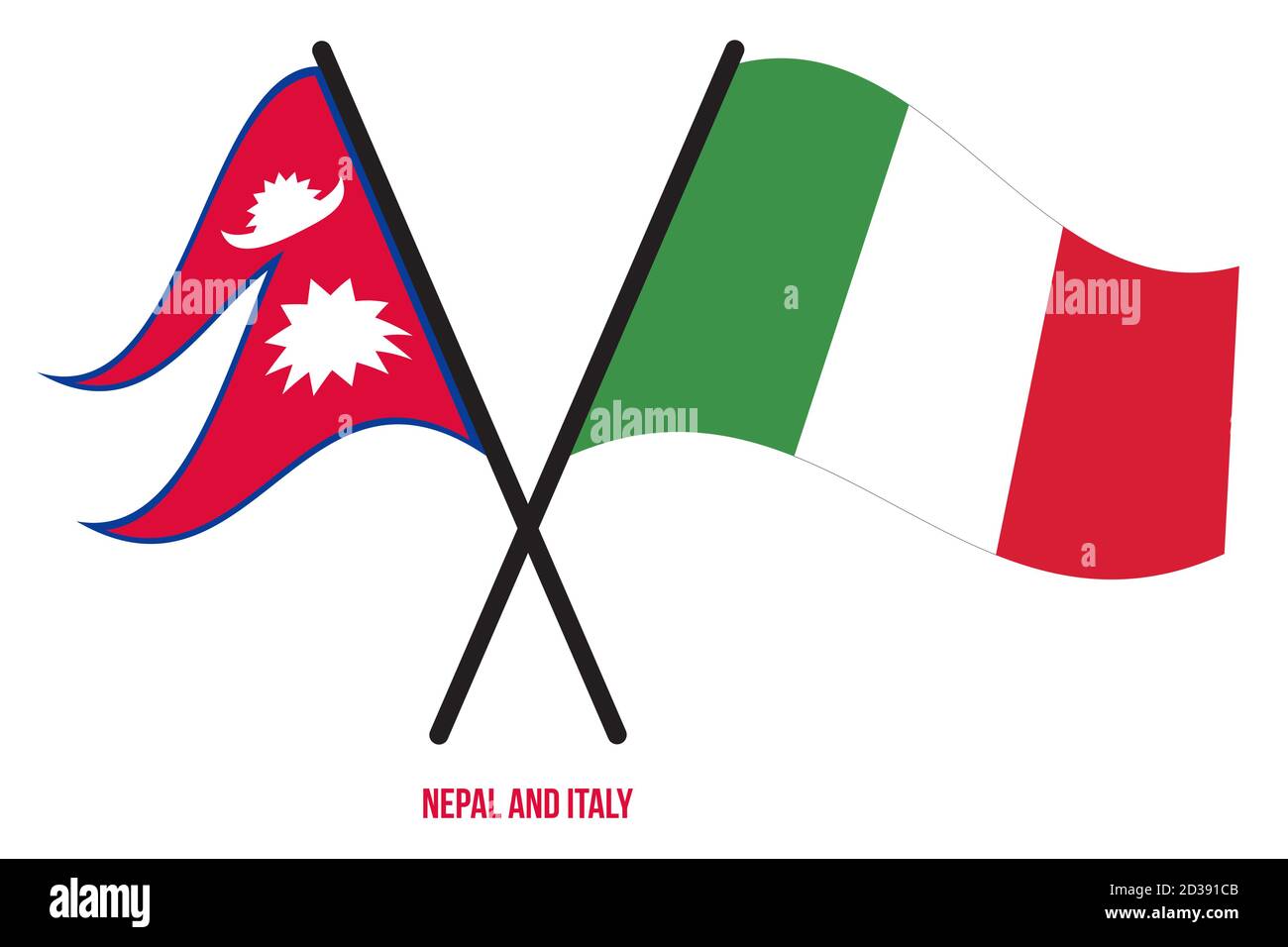
The cultural and geographical diversity of our world can often be encapsulated in two seemingly contrasting nations like Nepal and Italy. Each offers unique traditions, historical significance, and breathtaking landscapes. As global tourism continues to rise, understanding the differences and similarities between countries like Nepal and Italy becomes essential for travelers and culture enthusiasts alike.
Cultural Heritage
Nepal, known for its rich history and traditions, is a melting pot of cultures with over 120 ethnic groups. It is the birthplace of Buddha and houses some of the world’s most revered temples, such as Swayambhunath and Pashupatinath. In contrast, Italy boasts a profound historical legacy, famous for its Renaissance art, architecture, and literature. Cities like Florence and Rome host masterpieces by legendary artists such as Michelangelo and Raphael. The two countries reflect their unique heritages in festivals; Nepal celebrates Dashain and Tihar with vibrant rituals, while Italy is known for its Carnevale and La Befana celebrations.
Culinary Contrasts
The culinary landscapes of Nepal and Italy also showcase their distinctive flavors. Nepali cuisine is centered around rice, lentils, and vegetables, with famous dishes such as momo (dumplings) and dal bhat (rice and lentils). On the other hand, Italian cuisine is celebrated globally, offering a wide array of pasta, pizza, and regional specialties. Each country’s food culture says much about its geography, with Nepal’s food focusing on local ingredients and Italy’s rooted in traditional recipes varying from region to region.
Natural Beauty
When it comes to natural beauty, both Nepal and Italy boast stunning landscapes. Nepal is renowned for the majestic Himalayas, including Mount Everest, the highest peak in the world. Adventure tourism thrives here with trekking, climbing, and rafting opportunities. Conversely, Italy is famous for its picturesque countryside, sparkling coastlines, and iconic landmarks such as the Amalfi Coast and the Dolomites. These natural attractions not only define the touring experience in both countries but also contribute to their economies.
Conclusion
In essence, while Nepal and Italy arise from different cultures, each country offers invaluable insights into heritage, culinary artistry, and scenic beauty. For travelers seeking diverse experiences, exploring the contrasts and connections between these nations can enrich their understanding of our global community. As global tourism continues to thrive post-pandemic, both countries are poised to attract visitors eager to experience their unique offerings. Nepal and Italy remind us of the power of diversity and the shared human experience that binds us through our varied traditions and lifestyles.