Introduction
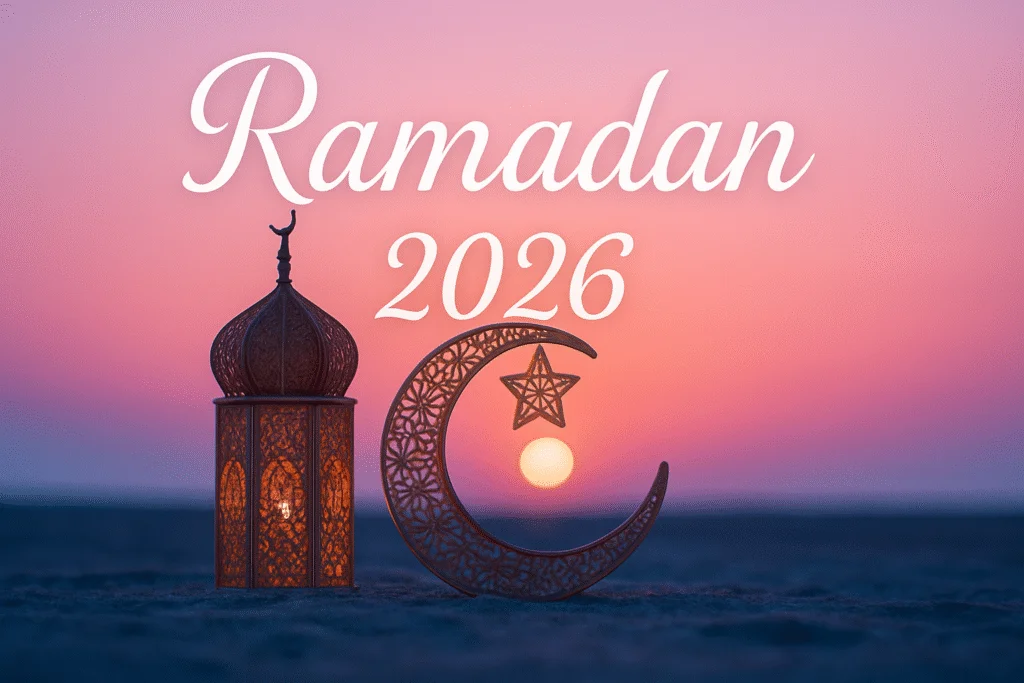
Ramadan is a highly significant month in the Islamic calendar, observed by millions of Muslims around the world as a time of fasting, prayer, reflection, and community. As we approach Ramadan in 2026, it is essential to understand both its timing and its relevance to the Islamic faith. Ramadan is not only about abstaining from food and drink, but it also emphasizes spiritual growth, charity, and empathy towards those in need.
Key Dates for Ramadan 2026
In 2026, Ramadan is expected to commence on the evening of Thursday, February 25, and last until Saturday, March 27, depending on the sighting of the moon. The exact dates may vary slightly based on geographical location and moon sightings, as the Islamic calendar is lunar-based. Muslims around the world prepare for this month by ensuring they are equipped spiritually and physically to engage in the practices of fasting and prayer.
Traditions and Practices
During Ramadan, Muslims abstain from food, drink, smoking, and sexual relations from dawn until sunset. The daily fast begins with a pre-dawn meal called suhoor and concludes with an evening meal called iftar, typically starting with the eating of dates and drinking water. This month is also marked by increased prayer, with many attending special nightly prayers known as Tarawih. Additionally, charitable giving or zakat is emphasized as Muslims are encouraged to support those less fortunate during this period of reflection.
Significance of Ramadan
Ramadan serves as a reminder of self-discipline and gratitude. It is a time where Muslims strengthen their faith, reflect on the teachings of the Quran, and engage in communal prayers. The month encourages empathy and compassion, fostering a sense of community through shared experiences of fasting and worship. The culmination of Ramadan is celebrated with Eid al-Fitr, a festival marking the end of fasting, which involves communal prayers, feasting, and giving of gifts.
Conclusion
As Ramadan approaches in 2026, it is vital for both Muslims and non-Muslims to recognize the importance of this sacred month. Understanding its significance can foster greater respect and appreciation for the diverse beliefs and practices within the global community. As millions prepare to observe Ramadan, expectations for deeper spiritual connections, community bonds, and charitable engagements remain high, highlighting the essence of this holy month.