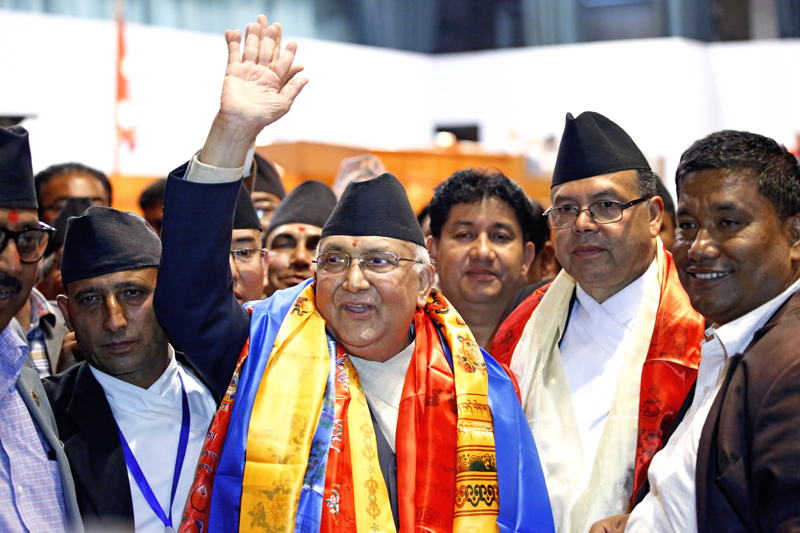
Introduction: The Role of the Nepal Prime Minister
The position of Prime Minister in Nepal carries significant weight, particularly as the nation continues to navigate political challenges and economic recovery post-pandemic. As the head of government, the Prime Minister plays a crucial role in shaping policies that affect the lives of millions of citizens in this mountainous South Asian nation.
Recent Events: Appointments and Political Maneuvering
As of October 2023, Pushpa Kamal Dahal, commonly known as Prachanda, is serving as Nepal’s Prime Minister. He was appointed in December 2022 and has entered his third term in this influential role. His leadership has seen a focus on maintaining stability in a country often beset by political fragmentation and conflict.
Recent events highlight the Prime Minister’s efforts to unite various factions within the ruling coalition to advance legislative agendas aimed at economic growth and social welfare. His government has also been working on improving relations with neighboring countries, particularly India and China, to bolster trade and diplomacy.
Significant Decisions and Policies
In recent months, the Prime Minister’s administration has emphasized infrastructure development, with significant investments in roads, hydroelectric projects, and tourism aimed at reviving the economy. The government has also launched initiatives to improve healthcare access and address poverty- alleviation measures, responding to the significant challenges faced by citizens post-COVID-19.
Additionally, Prachanda’s government is currently focused on tackling issues related to climate change, which poses a considerable threat to Nepal’s environment and economy. The government is seeking international partnerships to enhance resilience against natural disasters, a common threat in the nation known for its rugged terrain.
Conclusion: Implications for Nepal’s Future
The performance and decisions of Nepal’s Prime Minister are crucial in shaping the future of the nation. As Prachanda navigates political alliances and challenges, the success of his policies will likely influence the stability and development prospects of Nepal in the years to come. Observers suggest that continued emphasis on collaboration could lay the groundwork for a more unified governance structure, which is essential as the country faces both internal and external pressures.
Ultimately, the Prime Minister’s ability to effectively address diverse issues and maintain political harmony will be essential not only for his government but also for the long-term trajectory of Nepal’s democracy and economic health.