Introduction
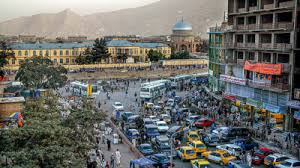
The city of Kabul, Afghanistan’s capital, has long been a focal point of geopolitical interest and conflict. Since the Taliban regained control in August 2021, Kabul has experienced significant shifts in governance, culture, and daily life. Understanding these changes is crucial as they reflect broader implications for both the Afghan populace and international relations.
Polarized Reality: The Humanitarian Crisis
Over the past year, Kabul has been grappling with a deepening humanitarian crisis. The U.N. estimates that more than 24 million Afghans, nearly 60% of the population, face severe food insecurity. Economic instability, exacerbated by sanctions and withdrawal of foreign aid, has led to skyrocketing prices for basic goods, including food and fuel. This dire situation has compelled various NGOs and international organizations to respond; however, their operations remain fraught with challenges, given the political climate and restrictions imposed by the Taliban.
Security Concerns
Security in Kabul is another significant concern, despite official assurances from Taliban leaders. Reports of bombings and attacks, including those targeting civilians, have raised alarms among locals and the international community. According to the U.S. Department of State, there has been a notable increase in violence attributed to extremist groups like ISIS-Khorasan that pose threats not only to Afghan citizens but also to foreign nationals and aid workers. As such, the situation in Kabul remains precarious as authorities attempt to maintain order amidst the chaos.
Opportunities for Growth and Development
Despite these challenges, Kabul is also witnessing pockets of resilience and hope. Many Afghans are attempting to adapt to the new reality by building small businesses and leveraging online platforms to connect with global markets. Moreover, there has been a growing interest in education and technology among the youth, with numerous initiatives aiming to empower young people through skill development programs. International organizations like UNICEF and the International Rescue Committee continue to support these endeavors, highlighting their importance for Afghanistan’s future stability.
Conclusion
The situation in Kabul is complex, with numerous intertwined challenges and opportunities. As the international community watches with bated breath, the citizens of Kabul are navigating a new and uncertain landscape. The coming months will be pivotal for the Afghan capital, as it seeks to balance security concerns with humanitarian needs and aspirations for growth. For readers, it is essential to stay informed about these developments, as they will likely influence not only Afghanistan’s future but also the geopolitical strategies of many nations around the globe.