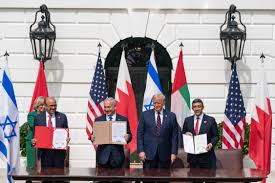
Introduction to the Abraham Accords
The Abraham Accords are a pivotal advancement in Middle Eastern diplomacy, reflecting a shift in relations between Israel and several Arab nations. Signed in September 2020, these agreements marked the first time in decades that Arab states openly recognized Israel, fundamentally altering the geopolitical landscape in the region. Their importance goes beyond mere recognition, as they also signify a collective movement towards stability and cooperation in a historically volatile area.
Key Developments of the Abraham Accords
Initially, the Accords were signed by Israel, the United Arab Emirates (UAE), and Bahrain, with Sudan and Morocco later normalizing relations with Israel under similar agreements. The Accords were orchestrated with the mediation of the United States, and they highlight shared economic and security interests, especially concerning Iran’s influence in the region.
The benefits of these agreements include enhanced trade opportunities, tourism growth, and cooperative efforts in security and technology. For instance, the UAE and Israel have actively engaged in talks about collaboration on renewable energy, technology, and defense, fostering a newfound bond that extends beyond mere diplomacy.
The Role of the United States
The United States played a crucial role in facilitating the Abraham Accords, emphasizing the significance of soft power in Middle Eastern diplomacy. The administration under President Donald Trump showcased the agreements as a diplomatic triumph, aiming to showcase a new era of peace in the region. The Biden administration has continued to support the Accords but emphasizes that the ultimate goal is a broader peace between Israel and the Palestinian territories.
Challenges and Criticism
Despite the optimistic outlook, the Accords face criticisms. Several Palestinians view the normalization efforts as a betrayal, arguing that it undermines their quest for statehood and seeks to sideline the Palestinian issue in broader Middle Eastern politics. Tensions remain high, with sporadic violence resurfacing and calls for renewed focus on peace talks with the Palestinians.
Conclusion
The Abraham Accords represent a historic shift in Middle Eastern relations, fostering a potential legacy of peace, security, and economic cooperation. However, the road ahead is fraught with challenges that could derail the initial momentum. The success of these agreements will not only depend on geopolitical interests but also on inclusivity regarding the Palestinian voice in the discourse. As the region evolves, the long-term effects of the Abraham Accords will be an essential factor in determining Israel’s future relations with its Arab neighbors and the broader peace in the Middle East.