Introduction
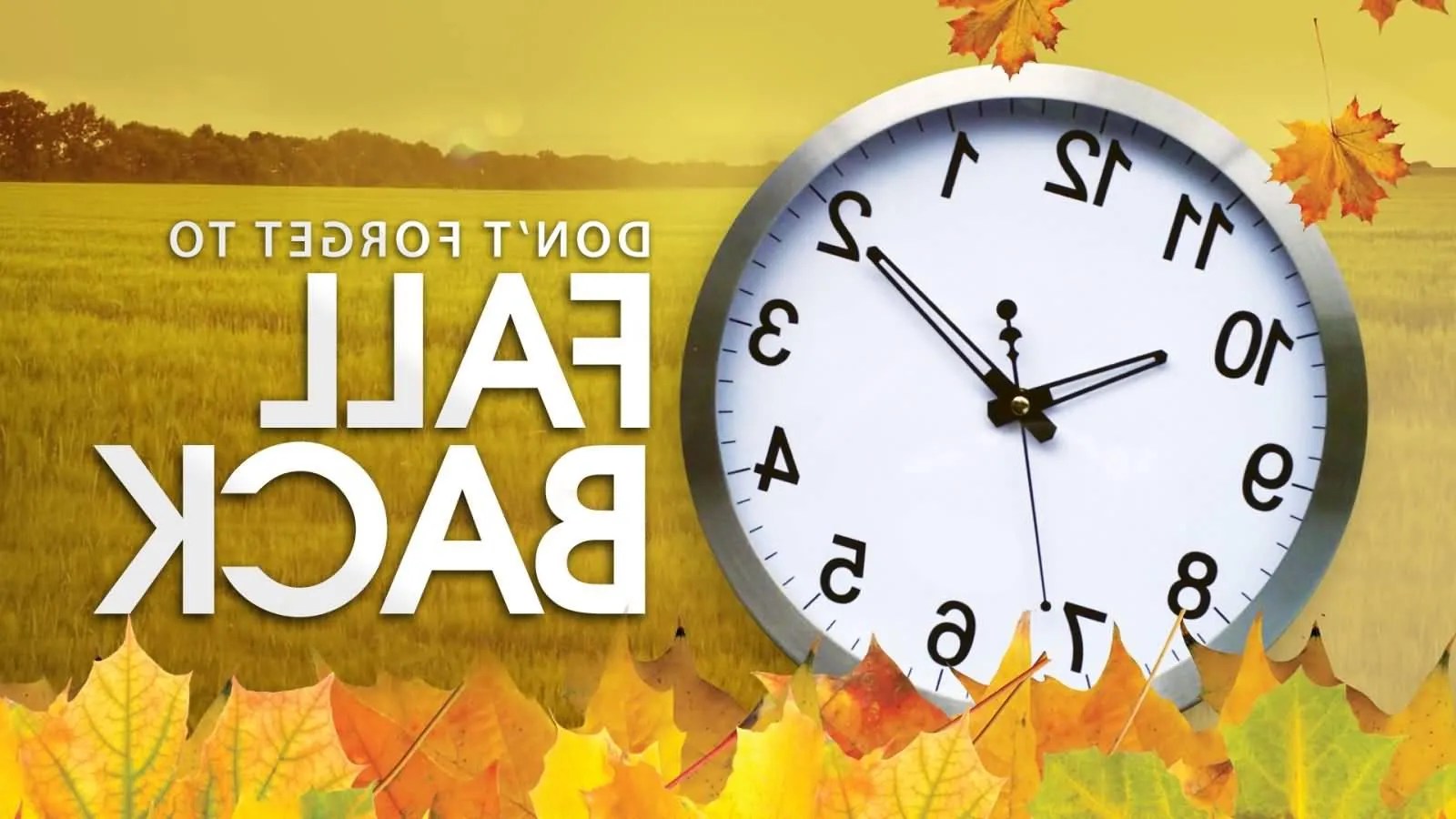
As the days grow shorter and autumn settles in, millions of Americans prepare for the annual end of Daylight Saving Time (DST). This year, DST ends on November 5, 2023, at 2:00 AM local time, when clocks will fall back one hour. Understanding the implications of this time change is essential as it affects various aspects of daily life, from sleep patterns to energy consumption.
What Happens When DST Ends?
When Daylight Saving Time concludes, the clocks revert back to Standard Time, giving an extra hour of daylight in the mornings while reducing evening daylight. This is often viewed positively, particularly for those who must start their days early, such as students and workers. However, many people struggle to adjust their routines with the time change, which may lead to temporary sleep disruptions and changes in mood.
Impact on Daily Life
The end of DST can have various repercussions on society. For one, studies have shown a spike in health issues like heart attacks, strokes, and accidents immediately following the time change. Drivers may also face increased challenges with darker evenings, leading to a higher risk for vehicular accidents. Additionally, the transition signals a change in consumer behavior as the holiday season approaches, with many people starting to prepare for winter celebrations, spending more time indoors.
Economic Considerations
Economically, the end of DST can affect energy consumption patterns. While some argue that it helps save energy, others believe that decreased evening daylight can lead to an overall rise in energy usage. Companies and retailers, especially in the hospitality and entertainment sectors, may see changes in foot traffic and spending patterns as people adapt to the darker evenings.
Conclusion
The end of Daylight Saving Time is an annual event that brings both benefits and challenges. As November 5 approaches, it is important for individuals and families to prepare for the transition, adjusting routines to mitigate potential negative impacts on sleep and daily life. Moving forward, discussions about the relevance of DST in our modern society continue, with advocates pushing for its abolition or permanent adoption of Daylight Saving Time. This year’s transition prompts a reminder for everyone to reassess how they manage their time, health, and activities as we navigate the changing seasons.