Importance of Daylight Savings Time
Daylight Savings Time (DST) is a practice observed in various regions worldwide, designed to make better use of daylight during longer days of summer. The significance of DST lies in its potential for energy savings and extended evening daylight hours, which can positively affect outdoor activities and financial gains in sectors such as retail and tourism.
Key Dates for Daylight Savings 2025
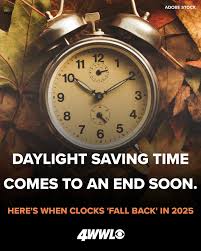
In 2025, Daylight Savings Time will begin on Sunday, March 9, when clocks will spring forward at 2:00 AM, advancing one hour. This shift means that sunsets will occur later in the evening, allowing for more daylight in the hours after work or school. The time change will revert to standard time on Sunday, November 2, when clocks will fall back by one hour at 2:00 AM. This transition typically leads to a noticeable change in daily routines as people adjust to the new schedule.
Public Opinion and Legislative Changes
Public opinion about Daylight Savings Time has been increasingly divided. Some argue that it is outdated and unnecessarily disrupts sleep patterns and schedules. In recent years, discussions have taken place among lawmakers in various states contemplating the potential for eliminating DST altogether, opting instead to maintain standard time year-round. Although no significant federal legislation has been enacted to abolish DST, some states, such as Florida and California, have considered measures to make DST permanent.
Impact on Daily Life
For many individuals, the transition into and out of DST can lead to temporary sleep disturbances and decreased productivity in the days following the time shift. Health professionals suggest that individuals prepare by adjusting their sleeping schedules gradually a few days prior to the change. This can help mitigate the effects of sleep loss and the confusion associated with the clock change.
Conclusion: What to Expect in 2025
The upcoming Daylight Savings Time transition in 2025 will once again influence daily routines and outdoor activities. Awareness of the specific dates and preparation to adjust one’s schedule can assist in minimizing potential disruptions. As public debate surrounding the relevance of DST continues, it remains an integral part of timekeeping in many regions, making it essential for residents to stay informed. Whether one appreciates the benefits of longer evenings or feels inconvenienced, understanding the implications of Daylight Savings in 2025 will help readers navigate the seasonal change effectively.