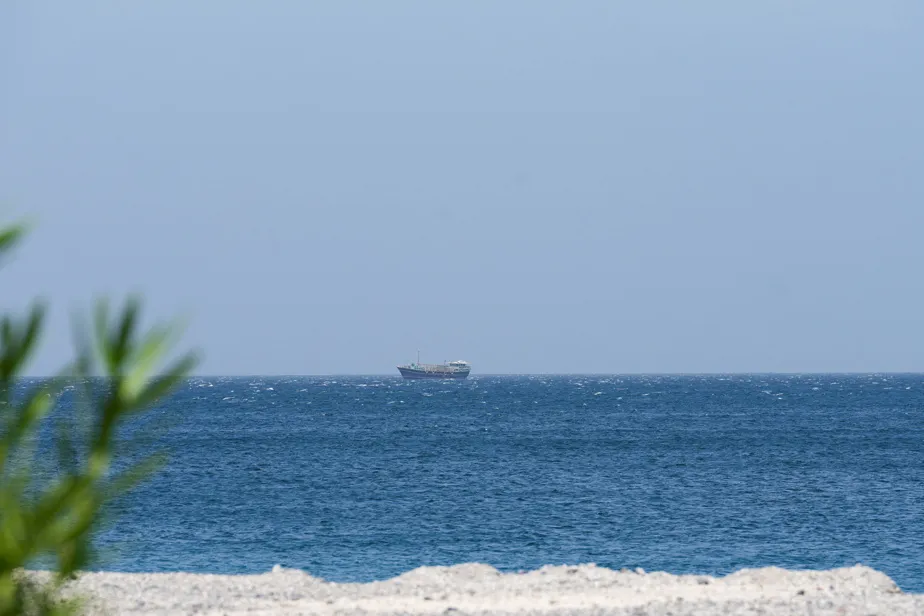
“De manière assez compréhensible, tout le monde est nerveux,” stated Richard Meade, reflecting the heightened anxiety surrounding the Ormuz Strait as U.S. military forces commence demining operations in the area.
Despite a recent ceasefire agreement, only two ships have successfully navigated the strait since the announcement, leaving over 800 vessels stranded in the Gulf. This unprecedented situation has drawn attention from the international community, particularly given that even during the Iran-Iraq War, passage through the strait was maintained.
The Ormuz Strait is a critical passage for global trade, with Tehran demanding 1 dollar per barrel for oil transiting through the strait, payable in cryptocurrencies. This demand adds another layer of complexity to an already tense situation.
Meade warned, “If a ship is hit, we will return to square one, as no one will trust the ceasefire anymore.” This sentiment is echoed by the Japanese Shipowners’ Association, which expressed uncertainty about the safety of the area, stating, “We still do not know if this area is now safe to pass through.”
In the backdrop of these developments, the International Maritime Organization is working on a mechanism to ensure safe transit through the strait, highlighting the urgency of the situation.
The ongoing tensions are compounded by previous attacks from Iranian-backed Houthi militias in 2024, which led to a 50% collapse in traffic through the Suez Canal and Bab el-Mandeb Strait, raising fears of similar repercussions in the Ormuz Strait.
As the situation unfolds, a captain of one of the stranded vessels remarked, “The ceasefire reassures us. We hope it lasts.” However, with the details of the agreement regarding Tehran’s toll remaining unclear, the future of maritime transit through the Ormuz Strait hangs in the balance.
With the eyes of the world on this critical maritime route, the coming days will be pivotal in determining whether the ceasefire holds and if shipping can resume safely.