Introduction
The potential for a government shutdown has been a recurring topic in U.S. politics, raising concerns about what such an event means for citizens, services, and national stability. Recently, the government narrowly avoided a shutdown just days before the deadline, which has been a significant point of discussion among lawmakers and the public alike. Understanding the implications of a government shutdown is essential for citizens as it affects various sectors including education, healthcare, and public safety.
The Recent Situation
In late September 2023, Congress faced an imminent deadline to pass a funding bill to keep the government operating. With deep partisan divides and budgetary disputes looming, many feared that failure to reach an agreement would lead to a government shutdown. Ultimately, Congress passed a short-term spending bill which allowed the government to continue operations until mid-November, averting an immediate crisis. The resolution came amidst ongoing debates over federal spending, with points of contention including funding for domestic programs and the allocation of resources for national defense.
During the lead-up to the deadline, both the House and Senate held discussions to address their differences, often highlighting the impact such shutdowns have on federal employees and public services. When the government shuts down, many federal employees are furloughed, and non-essential government services halt, negatively impacting millions of Americans.
Consequences of Government Shutdowns
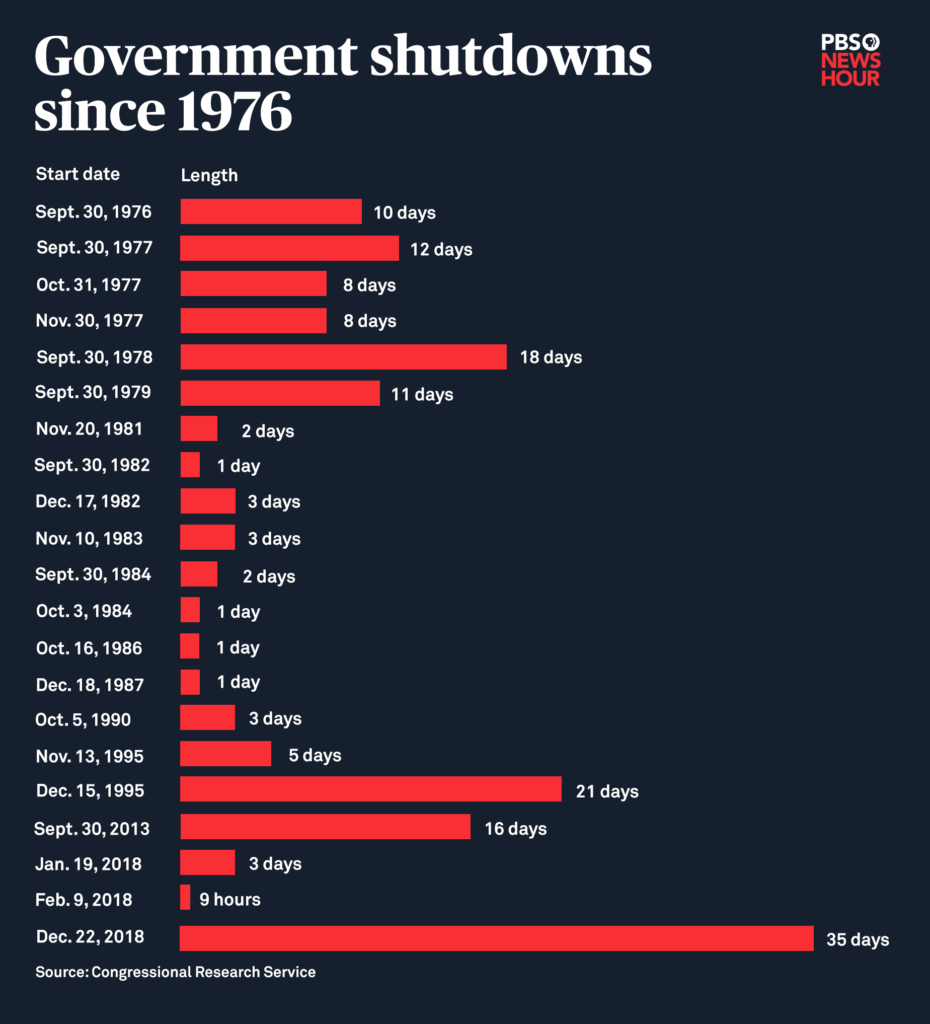
Historically, government shutdowns have led to significant disruptions. For example, the 2018-2019 shutdown lasted 35 days and resulted in the furlough of approximately 800,000 federal employees. During that period, services such as national parks, museums, and some government offices were closed. Moreover, the economic impact can be considerable, with certain estimates suggesting that the 2018 shutdown cost the economy around $11 billion.
Looking Ahead
As we look toward the future, the temporary funding bill serves as a stopgap and does not resolve ongoing disputes in Congress. Lawmakers face additional pressure to negotiate a long-term budget before the new deadline arrives in November. The success or failure of these negotiations could shape the political landscape heading into the 2024 elections, as constituents monitor how their representatives are handling crucial funding discussions for the upcoming fiscal year.
Conclusion
The recent avoidance of a government shutdown highlights the fragility of political agreements and the potential consequences of continued partisan gridlock. While the immediate crisis has been averted, the underlying issues that led to the threat of a shutdown persist. Citizens should remain informed and engaged as negotiations continue, as the outcome will directly impact government services and the economy. With uncertainty remaining, the possibility of future shutdowns looms large, stressing the importance of bipartisan cooperation in the political arena.