Introduction
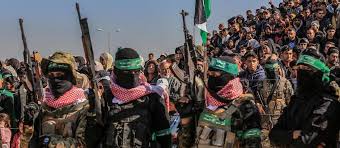
The topic of Hamas is of significant importance in today’s geopolitical landscape, particularly given its influence on the Middle East’s political dynamics and ongoing conflicts. Established in 1987 during the First Intifada, Hamas has positioned itself as a key player in Palestinian politics and resistance efforts against Israeli occupation. In light of recent escalations in violence and renewed calls for peace, understanding Hamas’s role, motivations, and actions is crucial for comprehending the broader context of the Israeli-Palestinian conflict.
Recent Developments
As of late 2023, tensions between Hamas and Israel have escalated dramatically. In October 2023, Hamas launched a surprise assault involving a series of coordinated attacks that resulted in significant casualties. This aggressive action was met with severe Israeli airstrikes targeting Gaza, showcasing the cyclical nature of violence in this region. The international community has called for restraint, but the situation remains precarious with ongoing rhetoric from both sides indicating a potential for further conflict.
Hamas continues to govern the Gaza Strip, where it provides social services and maintains a significant military presence. The organization’s leadership has reiterated its commitment to armed resistance, while also navigating complex political relationships with other regional players such as Iran and Egypt. This duality complicates efforts toward peace, as any negotiations must consider not only Israeli interests but also the aspirations and constraints of Hamas.
Global Reactions
The international response to Hamas’s actions has been polarized. Some countries and organizations view Hamas as a legitimate representative of Palestinian interests, while others label it as a terrorist organization. This distinction affects international diplomatic efforts and aid, as well as public opinions on Palestinian sovereignty. As violence surged, calls for ceasefires and humanitarian aid efforts emerged from various global leaders and organizations, leading to increased discussions about the future of peace in the region.
Conclusion
The presence and actions of Hamas remain a pivotal element in understanding the complexities of the Israeli-Palestinian conflict. The recent violence has highlighted deep-rooted issues that are not easily resolved. Moving forward, it is vital for global leaders to engage with all parties involved in the conflict to work towards sustainable solutions. The path to peace will require addressing not only the immediate conflicts but also the underlying issues of governance, rights, and security for both Israelis and Palestinians. The fate of generations and the stability of the region hinge upon how effectively these challenges can be navigated.