Introduction
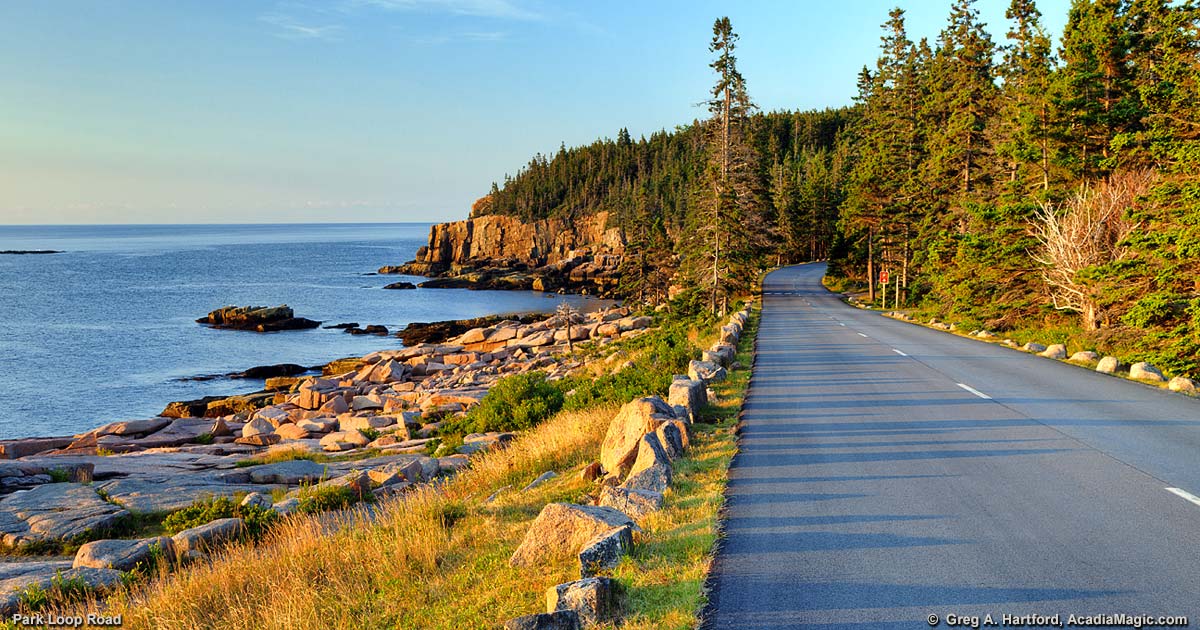
Acadia National Park, located on Maine’s Mount Desert Island, is a true natural treasure that draws millions of visitors each year. Established in 1916, it became the first national park east of the Mississippi River, showcasing the stunning beauty of the Atlantic coast, rocky shorelines, lush forests, and stunning mountain landscapes. As climate change and tourism demand increase, understanding and preserving this remarkable ecosystem becomes increasingly crucial.
Natural Wonders and Biodiversity
The park spans over 49,000 acres and features diverse ecosystems, including coastal habitats, forests, wetlands, and mountains. The highest point on the East Coast, Cadillac Mountain, is a highlight of the park, known for being one of the first places in the U.S. to see the sunrise. Visitors also encounter a variety of wildlife, including moose, deer, and numerous bird species, as well as unique plant life adapted to the rugged coastal environment.
Outdoor Activities and Visitor Experience
Acadia offers a myriad of recreational opportunities, making it a haven for outdoor enthusiasts. Hiking, biking, and kayaking are among the most popular activities. With over 120 miles of hiking trails ranging from easy walks to challenging climbs, there’s something for everyone. The Carriage Roads, a series of gravel paths built by John D. Rockefeller Jr., are perfect for biking or leisurely strolls, allowing visitors to appreciate the scenic views of the park’s landscapes. For those looking to explore the ocean, guided boat tours and kayaking provide a unique perspective on Acadia’s rugged coastline.
Preservation Efforts and Future Outlook
As visitor numbers rise, with over 3 million recorded in 2022, the National Park Service is actively working on conservation efforts to address the challenges faced by the park, such as invasive species and habitat degradation. Initiatives focused on sustainable tourism aim to balance visitor enjoyment with the preservation of Acadia’s natural resources. Recently, funding has been allocated for infrastructure improvements and educational programs designed to foster environmental stewardship among visitors.
Conclusion
Acadia National Park is more than just a beautiful landscape; it is a testament to the importance of conservation and responsible recreation. As global warming continues to threaten natural environments, parks like Acadia serve as crucial sanctuaries for wildlife and outdoor activities. Visitors can immerse themselves in this stunning ecosystem while also contributing to its preservation through mindful travel choices. As we look to the future, Acadia National Park remains a vital part of America’s natural heritage, inspiring generations to appreciate and protect our planet’s wonders.