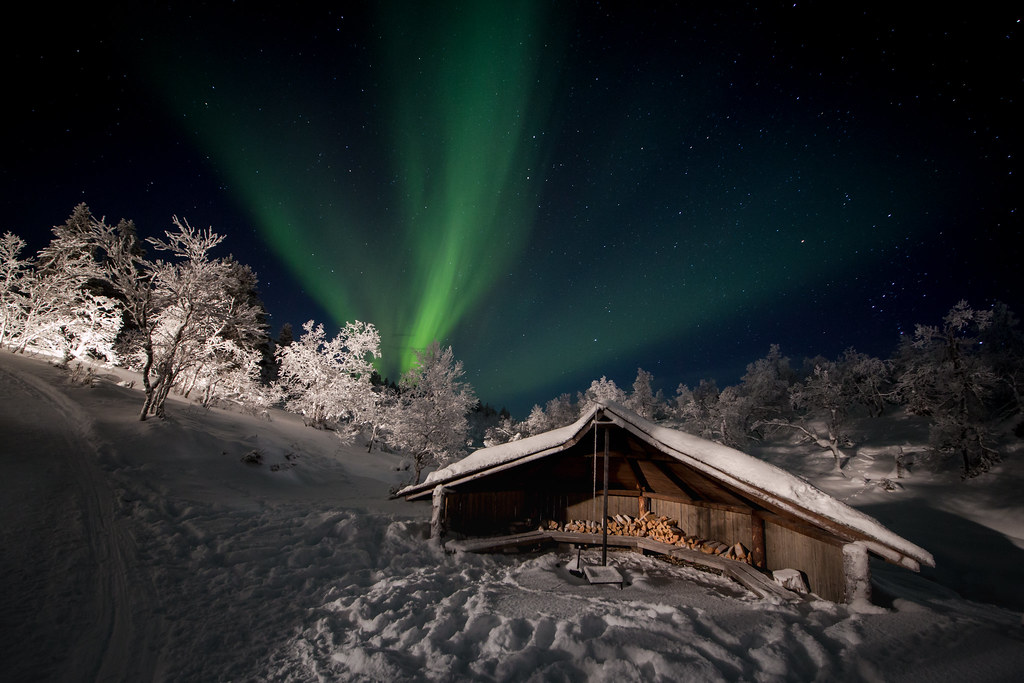
Introduction to the Northern Lights
The Northern Lights, also known as the Aurora Borealis, is one of nature’s most impressive phenomena. This natural light display occurs in high-latitude regions, captivating audiences with vibrant colors dancing across the night sky. Understanding the science behind this breathtaking spectacle not only enhances our appreciation of it but also underscores its relevance in studies of Earth’s atmosphere and climate change.
The Science Behind the Northern Lights
The Northern Lights are caused by the interaction between charged particles from the sun and the Earth’s magnetic field. When solar winds carry these particles towards our planet, they collide with gases in the Earth’s atmosphere, such as oxygen and nitrogen. These collisions excite the gas molecules, resulting in the release of energy in the form of light, creating waves of color that often range from greens and pinks to reds and purples. The best time to view this natural wonder is during the winter months in locations near the Arctic Circle, including parts of Canada, Alaska, Norway, Sweden, and Finland.
Recent Sightings and Events
In recent weeks, a series of solar flares and increased solar activity have led to remarkable sightings of the Northern Lights across various regions, including the United States. Reports from Alaska indicated captivating displays that drew local residents and tourists alike, sparking interest in aurora-related travel and activities.
Conclusion: The Significance of the Northern Lights
The Northern Lights not only serve as a visual spectacle but also play an essential role in research on Earth’s atmosphere, magnetosphere, and climate change. As scientific understanding grows, these phenomena have become symbols of the need for environmental awareness. With increased solar activity predicted for the coming years, more regions may experience this awe-inspiring event, allowing even more people to witness one of nature’s most magnificent displays. Travelers and nature enthusiasts are encouraged to plan trips to prime viewing locations, ensuring they have the opportunity to experience the magic of the Aurora Borealis first-hand.