Introduction
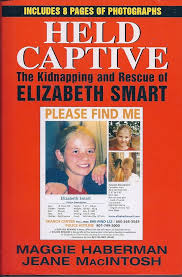
Elizabeth Smart, a name synonymous with resilience and hope, captured national attention when she was abducted from her home in Salt Lake City, Utah, in June 2002 at the age of 14. Her story is not just one of survival, but also a powerful testament to the strength of the human spirit. Today, Smart is known not only for her harrowing experience but also for her advocacy work focused on the rights of victims and the importance of community awareness in preventing abductions.
The Abduction
On June 5, 2002, Smart was taken from her home by Brian David Mitchell, a man who had previously been diagnosed with mental illness. Her abduction sparked a massive search and garnered widespread media attention. Elizabeth was held captive for nine months, during which time she endured unimaginable hardships. Remarkably, she was found alive in March 2003, just a few miles from her home, which sent shockwaves of relief throughout the nation.
Life After Abduction
Upon her return, Elizabeth faced the daunting task of reintegrating into society while managing the psychological scars left by her ordeal. Her resilience began to shine through as she earned her high school diploma, pursued a college degree, and ultimately graduated from Brigham Young University. Elizabeth’s journey was not just about personal recovery; it was also about using her voice for good.
Advocacy Work
In the years following her recovery, Smart transformed her experience into a platform for advocacy. She founded the Elizabeth Smart Foundation to educate others about the prevention of abductions and to support victims of crime. As a prominent speaker, she travels across the country, sharing her story and emphasizing the importance of safety education for children and communities.
Recent Developments
Recently, Elizabeth has also focused on legislative advocacy, pushing for laws aimed at protecting minors and enhancing the resources available to victims of abduction and trafficking. Her advocacy has led to significant changes in public policy and has shone a light on the ongoing issues surrounding human trafficking and child safety.
Conclusion
Elizabeth Smart’s journey from a victim to a powerful advocate serves as an inspiration to many. Her courage in sharing her story has not only empowered survivors but has also raised public awareness about critical issues concerning safety and prevention. As she continues her work, Smart remains a beacon of hope, demonstrating that even the darkest of experiences can lead to significant change and advocacy for a better tomorrow.