Introduction
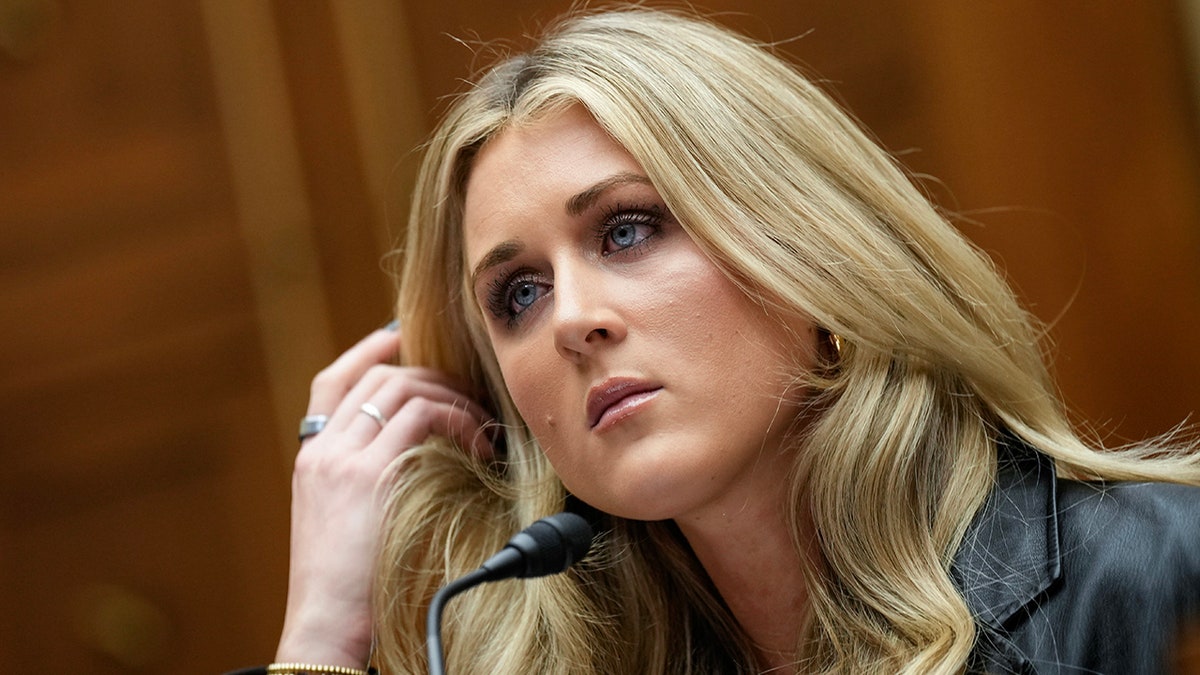
Riley Gaines, a standout swimmer and advocate, has become a prominent voice in the discourse surrounding women’s sports, particularly in relation to the participation of transgender athletes. Her advocacy has gained significant attention, shining a light on the challenges and complexities that female athletes face in ensuring fair competition. The debate over transgender participation has implications for equity and inclusivity, making Gaines’s insights increasingly relevant in today’s sports landscape.
Background and Achievements
Gaines garnered national recognition during her collegiate swimming career at the University of Kentucky, where she excelled in various events and earned multiple accolades. However, her rise to prominence extends beyond the pool, as she has transformed her platform into a vehicle for change, aiming to preserve opportunities for women in athletics. By advocating for policies that protect female athletes, Gaines has positioned herself as a key figure in the ongoing debate about athletic fairness and inclusivity.
The Controversy
Recently, Riley Gaines has made headlines for her outspoken criticism of policies that allow transgender women to compete in women’s sports. This has led to heated discussions surrounding fairness in competition, with supporters arguing for the rights of all athletes to compete, while opponents, including Gaines, emphasize the need to safeguard women’s categories. This issue has gained traction as organizations like the NCAA have taken steps to formulate policies addressing the participation of transgender athletes, sparking protests and public discourse across universities and athletic associations.
Advocacy Efforts and Public Reactions
As part of her advocacy, Gaines has participated in various panel discussions, media appearances, and campaigns aimed at raising awareness about the challenges faced by female athletes. Her efforts have resonated with many, resulting in solid support from women in sports communities. However, she has also faced backlash from groups who argue for inclusivity and the rights of transgender individuals, leading to a polarized environment that complicates the path forward in developing fair policies.
Conclusion
Riley Gaines’s journey reflects the ongoing struggle for gender equity and fairness in sports. As debates about the implications of transgender participation continue, her advocacy highlights the need for dialogue and thoughtful consideration of policies that influence athletic opportunities for women. As the landscape of sports evolves, the efforts of individuals like Gaines play a crucial role in shaping a future that is fair and inclusive for all athletes. The significance of these discussions will likely persist as society grapples with the intersection of gender, equity, and sports competition.