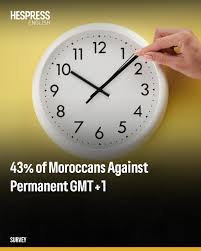
Introduction to Daylight Savings Time
Daylight Savings Time (DST) is a practice designed to make better use of daylight during the longer days of summer. Clocks are set forward by one hour in the spring and turned back in the fall, impacting countless aspects of daily life, from energy consumption to routine activities. As 2025 approaches, understanding the implications and changes to Daylight Savings brings relevance to individuals and organizations alike.
Upcoming Daylight Savings Dates
In 2025, Daylight Savings Time begins on Sunday, March 9, at 2:00 AM, when clocks will be set forward one hour. This will typically mean darker mornings but lighter evenings. Subsequently, standard time will resume when time falls back one hour on Sunday, November 2, 2025. These shifts not only affect personal schedules but also have considerable effects on transportation, business hours, and even healthcare.
Impacts and Considerations
The adjustments made for Daylight Savings Time have garnered both supporters and critics over the years. Proponents argue that extending evening daylight promotes outdoor leisure and is beneficial for the economy, potentially enhancing retail activity as people spend more time outside. On the contrary, critics cite disruptions in sleep cycles and increased health risks associated with the biannual time changes. Research has indicated that the period immediately following the time change can see a rise in heart attacks, workplace accidents, and even sleep-related issues due to the abrupt alteration in routine.
Future of Daylight Savings Time
As discussions around the relevance of DST continue, some states and lawmakers have proposed to abolish the practice entirely or at least maintain a permanent daylight savings time. The Sunshine Protection Act was introduced in Congress, aiming to end the yearly clock changes permanently. However, as of now, DST will still be observed in 2025, and any permanent changes would need significant legislative support and state approval.
Conclusion: Significance for the Public
The implications of Daylight Savings Time extend far beyond just changing clocks; they influence public behavior and have extensive ramifications for health, economy, and general well-being. As 2025 unfolds, awareness of these changes becomes more critical. With ongoing discussions about its future, staying informed on the implications of Daylight Savings can help individuals and businesses better navigate their schedules and adapt to any future transitions regarding timekeeping policies.