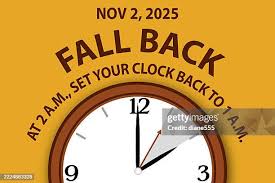
Introduction to Fall Back 2025
As 2025 approaches, the annual debate surrounding daylight saving time returns to the forefront of public discussion. On the first Sunday of November, clocks will ‘fall back’ one hour, marking the shift from daylight saving time to standard time. Understanding the implications of this change is critical for individuals, businesses, and policymakers alike. With ongoing discussions about the relevance of daylight saving time, the Fall Back 2025 event could potentially herald significant changes in how time is managed nationwide.
The History of Daylight Saving Time
Daylight saving time (DST) was first implemented in the United States during World War I as a way to conserve energy. The practice was later adopted again during World War II and has since become a recurring event in the U.S. However, public sentiment towards this practice remains mixed. While supporters argue that it maximizes daylight in the evenings, critics cite health risks and confusion for businesses and families.
Current Legislation and Proposals
As we gear up for Fall Back 2025, several legislative proposals are under consideration at both state and federal levels. Some states, including Florida and California, have already passed laws to remain on daylight saving time year-round, pending congressional approval. The proposal to abolish the time change altogether has gained traction, and the U.S. Senate recently passed the Sunshine Protection Act, which aims to make daylight saving time permanent. However, House approval remains uncertain, leaving the fate of the Fall Back event open-ended.
This lack of clarity has significant implications for industries reliant on synchronized time, such as finance, agriculture, and travel. Any changes could necessitate shifts in operation schedules and logistics planning.
Conclusion: What to Expect in 2025
As we approach Fall Back 2025, its potential significance extends beyond the mere act of changing clocks. The ongoing discussion regarding the future of daylight saving time is crucial for everyone. While many cherish the extra hour of sleep that comes with the time change, the impact of DST on energy consumption, health, and economic operations suggests that the clock isn’t just changing—it might be ticking down on the relevance of the practice itself. As readers, it’s essential to stay informed about legislation and public sentiment surrounding daylight saving time, as these factors will shape our time management policies in the future.