Introduction
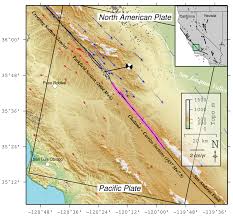
The San Andreas Fault is one of the most studied geological features in North America, stretching approximately 800 miles through California. It is a transform fault that marks the boundary between the Pacific and North American tectonic plates, making it a critical area of interest for seismologists and emergency planners. Understanding the dynamics of the San Andreas Fault is vital, not only for insights into geological processes but also for the safety and preparedness of millions of individuals living in earthquake-prone areas.
Recent Seismic Activity
Recent events have put the San Andreas Fault back in the spotlight following a series of tremors in the region. In August 2023, a 5.2 magnitude earthquake struck near the fault line, prompting the California Geological Survey to issue alerts and updates on potential aftershocks. Thankfully, major damage was averted, which experts attributed to improved building standards and preparedness protocols in place throughout California.
Staying informed about the behaviors and patterns of the fault is crucial. In September 2023, the US Geological Survey released a report indicating slight increases in seismic activity, which could suggest stress accumulation along various segments of the fault. These findings reiterate the need for ongoing monitoring and research.
Impact on Local Communities
The presence of the San Andreas Fault directly impacts urban planning and development. Cities like San Francisco and Los Angeles have implemented strict building codes to minimize earthquake damage. Educational programs about earthquake preparedness and response are commonplace, ensuring that residents know what to do in case of seismic events. Community preparedness initiatives have been increased, emphasizing the importance of emergency kits and family communication plans.
Conclusion
The San Andreas Fault poses both risks and opportunities for California and its residents. With ongoing research and active monitoring systems in place, local governments and communities are better equipped to face potential seismic challenges. While the fault remains a dormant threat, advancements in technology and public awareness continue to mitigate risks, ultimately reducing the impact of any significant seismic events in the future. Readers should stay informed about geological conditions and participate in local preparedness initiatives to enhance safety and resilience against natural disasters.