Introduction
The Kilauea volcano, located on the Big Island of Hawaii, is one of the most active volcanoes in the world. Its eruptions are significant not just for their geological impact but also for the communities that live near its slopes. Recently, Kilauea has been exhibiting increased volcanic activity, prompting concerns and interest from both locals and scientists alike. This article explores the recent events surrounding the Kilauea eruption and its implications.
Recent Eruptions and Monitoring
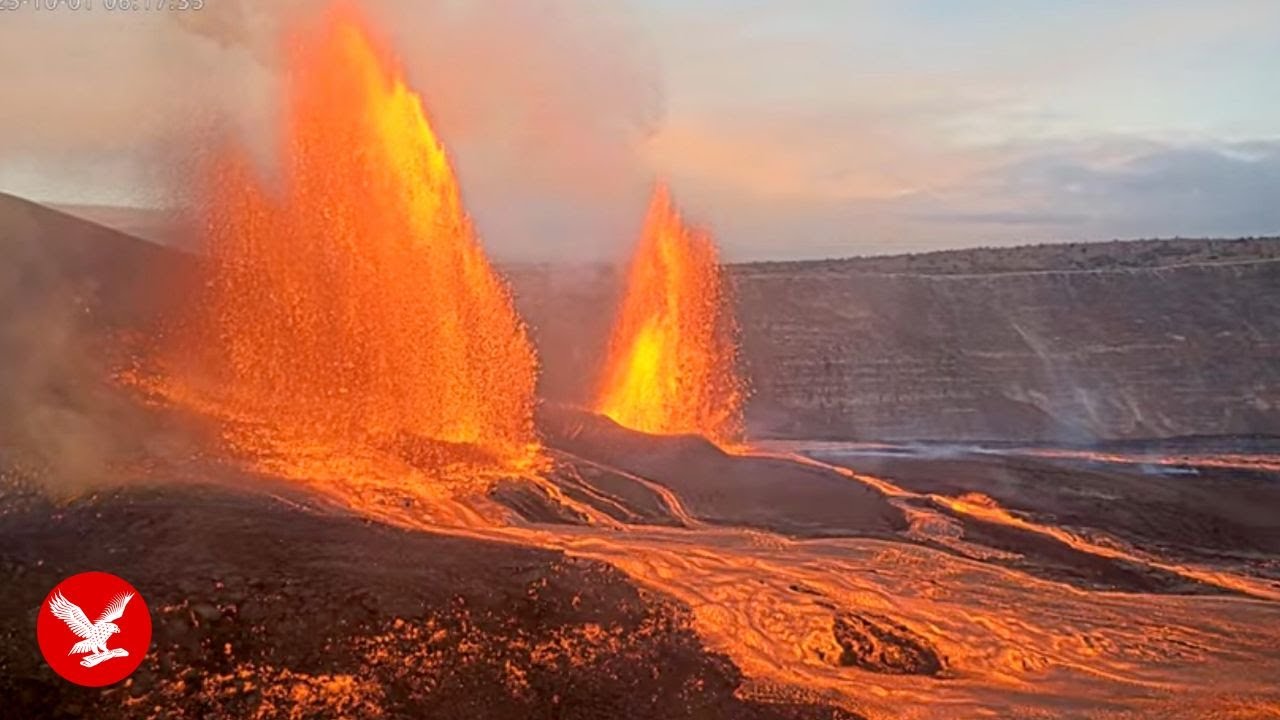
As of October 2023, the U.S. Geological Survey (USGS) has reported heightened activity at Kilauea, with lava output increasing significantly since early September. The Halema‘uma‘u Crater, located within the larger Kilauea Caldera, is the primary site of eruption, with lava fountains reaching heights of up to 150 feet. The volcano’s current phase of eruptive activity began in 1983 but has seen unprecedented intensity over the last month.
Scientists continue to monitor the volcano closely using a combination of satellite imagery, seismic data, and ground observations. The USGS has established a warning system that notifies residents of volcanic gas releases and ground deformation, which can indicate potential eruptions or changes in volcanic behavior.
Impact on Local Communities
The Kilauea eruption poses various challenges for local residents, tourism operators, and environmental health. Air quality has become a pressing issue as volcanic smog, or vog, can lead to respiratory problems. The Hawaii Department of Health advises residents, especially those with pre-existing conditions, to stay indoors during periods of high sulfur dioxide levels.
Residents near the volcano have also faced evacuation orders, and emergency services are on high alert. However, many locals have adapted to living near the volcano, often viewing the eruptions as part of their cultural landscape.
Conclusion
The Kilauea eruption serves as a reminder of the dynamic nature of our planet and the need for preparedness and adaptation in the face of natural disasters. With ongoing monitoring and quick response strategies, the impacts on local communities can be mitigated, although the potential for disruption remains. Looking ahead, scientists anticipate that Kilauea will continue to exhibit volcanic activity, leading to ongoing studies that not only further enhance safety protocols but also deepen our understanding of volcanic processes. Residents and visitors alike are advised to stay informed through reliable sources to navigate this ongoing geological event safely.