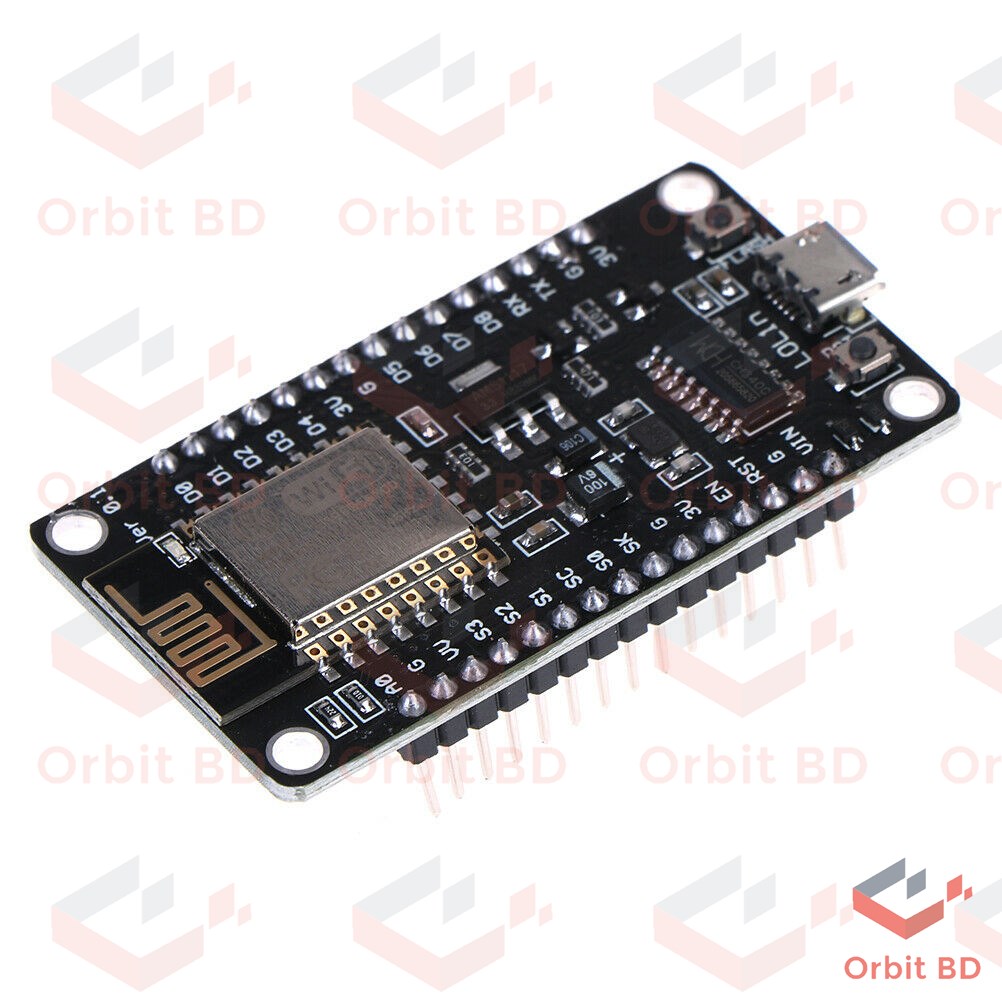
Introduction to IoT
The Internet of Things (IoT) is revolutionizing the way we interact with technology and our environment. By connecting everyday objects to the internet, IoT allows for seamless communication and data exchange between devices, leading to smarter cities, homes, and industries. As global digitization accelerates, understanding IoT’s relevance becomes crucial in recognizing its profound impact on various sectors such as healthcare, agriculture, and manufacturing.
Current State of IoT
Recent studies indicate that the number of connected IoT devices worldwide is projected to reach over 30 billion by 2025, according to research from Statista. This rapid growth is driven by the increasing adoption of smart home devices, wearable technologies, and industrial IoT solutions. In the healthcare sector, IoT is enhancing patient monitoring and care through devices that track vitals remotely, thus improving outcomes and reducing costs.
Moreover, businesses are leveraging IoT for predictive maintenance and real-time analytics. For instance, manufacturers employ IoT-enabled sensors to monitor equipment in real time, leading to greater operational efficiency and reduced downtime. Major technology companies, such as Amazon and Google, are investing heavily in IoT platforms and services, emphasizing its strategic importance in the future of technology.
The Significance of IoT
One of the most significant aspects of IoT is its capability to foster sustainability. Smart agriculture technologies, which utilize IoT for monitoring soil moisture and crop health, enable farmers to use resources more efficiently, thus minimizing waste and promoting sustainable practices. Furthermore, smart city initiatives use IoT data to manage traffic flow, optimize energy consumption, and enhance public safety.
Conclusion
As IoT continues to evolve, its implications are vast and varied. While the potential benefits of IoT are impressive, challenges such as data security, privacy concerns, and the need for interoperability among devices must be addressed. Moving forward, stakeholders across industries must collaborate to harness IoT’s capabilities effectively while ensuring robust security measures are in place. Overall, IoT represents a significant step toward a more interconnected and intelligent world, the future of which is promising yet requires careful navigation to maximize its benefits for society.