Introduction
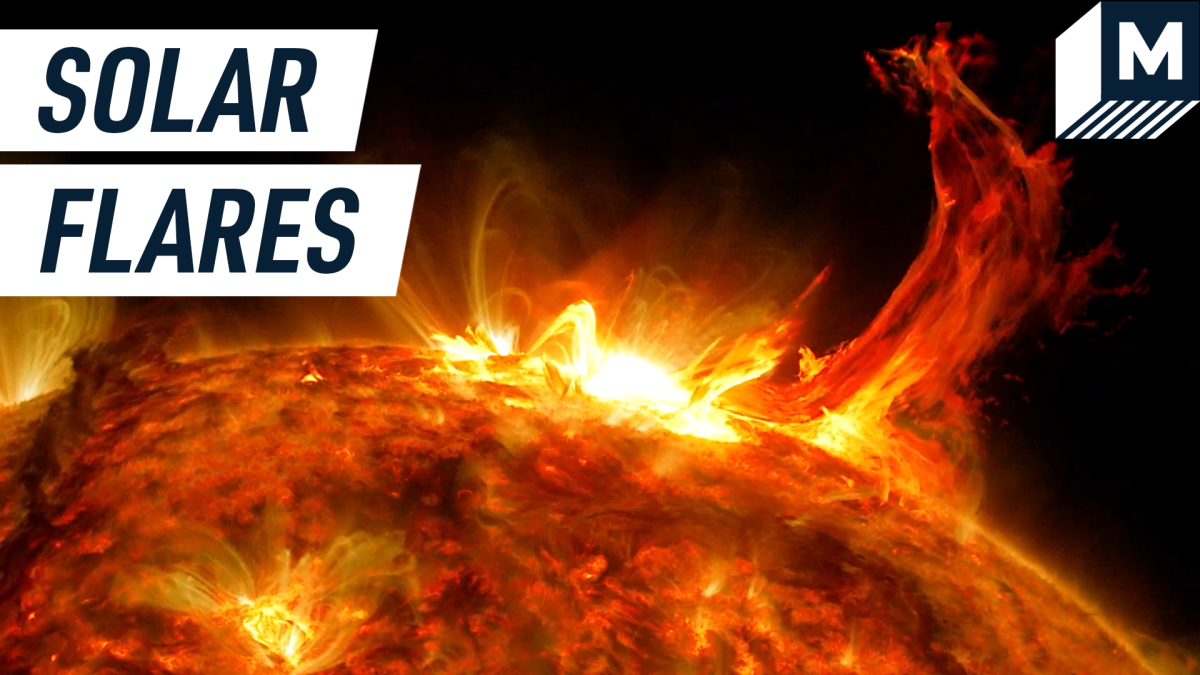
Solar flares are highly energetic explosions on the surface of the sun that can influence space weather and impact technology on Earth. As solar activity increases with the current solar cycle, understanding solar flares becomes critical for both scientists and the general public. This article explores the significance of solar flares, their recent occurrences, and their impacts on Earth and technology.
What Are Solar Flares?
Solar flares are sudden bursts of radiation from the sun’s surface, resulting from the release of magnetic energy associated with sunspots. These flares can last from a few minutes to a few hours and release massive amounts of energy, equivalent to billions of hydrogen bombs exploding simultaneously. They are classified based on their intensity into A, B, C, M, and X-class, with X-class being the most intense.
Recent Solar Activity
In recent months, scientists have observed an increase in solar flares due to the ongoing solar cycle 25, which began in December 2019. Notably, in August 2023, a powerful X1.2-class solar flare was emitted from an active region on the sun, causing disruptions in high-frequency radio communications for several hours. This flare highlights the importance of monitoring solar activity, as such events can have far-reaching effects.
Impact on Earth and Technology
Solar flares can affect various technologies on Earth, including radio communications, GPS systems, and even electrical grids. High-energy particles released during solar flares can cause geomagnetic storms when they interact with Earth’s magnetic field. These storms can lead to power outages, satellite damage, and increased radiation levels for pilots and astronauts. As the frequency of solar flares increases with the peak of the solar cycle expected in 2025, preparedness and understanding are crucial.
Monitoring and Forecasting Solar Flares
NASA and other space agencies use advanced satellites and monitoring systems to track solar flares and predict their potential impacts. The Solar Dynamics Observatory (SDO) and the Solar and Heliospheric Observatory (SOHO) are key tools in understanding solar phenomena. Through these observations, scientists can develop models that help predict when solar flares might occur, allowing industries and organizations to take necessary precautions.
Conclusion
As solar flares are an inevitable aspect of our sun’s activity, their potential impact on Earth cannot be underestimated. With the current increase in solar flares due to solar cycle 25, awareness and preparedness are essential for mitigating adverse effects on technology and infrastructure. Continued scientific monitoring and research are vital for understanding solar flares and enhancing our resilience to their impacts.