Introduction
The aviation industry has seen a remarkable transformation over the decades, with jets at the forefront of this evolution. Jets are not just a means of fast travel but represent a technological advancement that has reshaped how we connect across the globe. As air travel becomes increasingly essential for both personal and commercial purposes, understanding the significance, innovations, and future of jets is crucial.
Current Developments in Jet Technology
In recent years, the development of jets has been marked by substantial technological enhancements. Aircraft manufacturers are investing in environmentally friendly technologies, reflecting a shift towards sustainable aviation. The introduction of aircraft such as the Boeing 787 Dreamliner and the Airbus A350 has been focused on fuel efficiency, utilizing lightweight materials and advanced aerodynamics to reduce fuel consumption and emissions.
Jets in Commercial Aviation
Commercial jets have become the backbone of global transportation networks. According to the International Air Transport Association (IATA), airlines are expected to carry approximately 4.5 billion passengers in 2023. This demand emphasizes the critical role jets play in facilitating international trade and tourism. Additionally, the competitive landscape in commercial aviation has pushed airline companies to upgrade their fleets with more fuel-efficient jets, leading to a surge in orders from manufacturers.
The Role of Jets in Military Operations
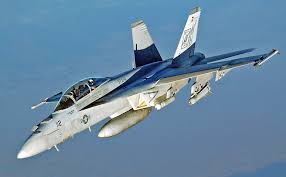
Beyond commercial use, jets are also indispensable in military operations. The U.S. Air Force and other military units worldwide are increasingly relying on advanced fighter jets, such as the F-35 Lightning II, known for their stealth capabilities and advanced technology. The development of military jets continues to be a priority for defense budgets, showcasing the importance of air superiority in modern warfare.
Conclusion
The future of jets in both civilian and military aviation looks promising. With increasing demands for efficient travel and security needs, manufacturers are continually innovating. The future may see a rise in electric jets and alternatives that could revolutionize air travel even further. As we embrace technological advancements, it is crucial for both travelers and industry stakeholders to keep an eye on the evolving landscape of jets, ensuring that aviation continues to be a leader in connecting the world.