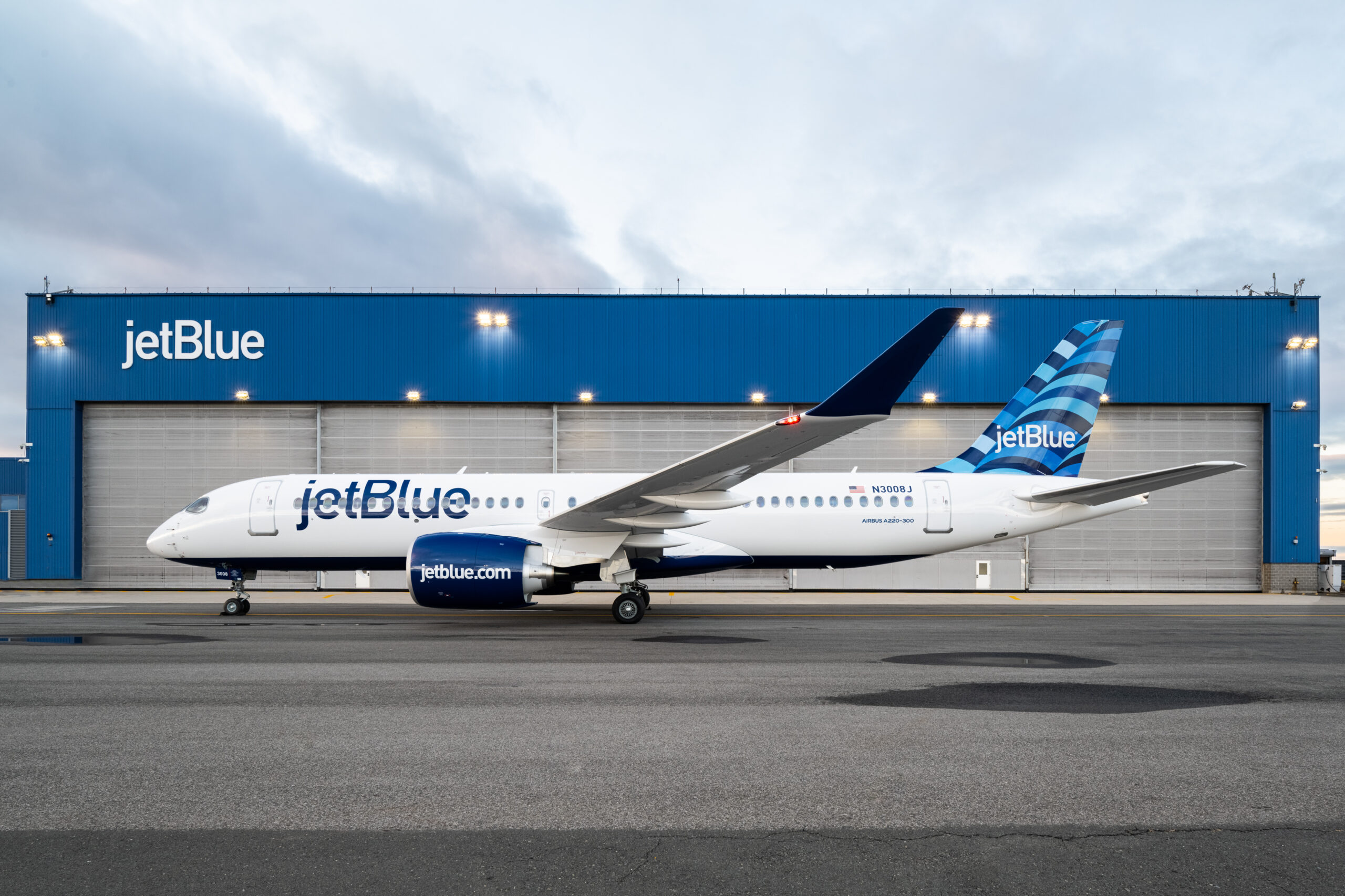
Introduction to JetBlue Airlines
JetBlue Airways, known for its customer service and low fares, continues to evolve in the competitive airline industry. Established in 1999, the airline has become a prominent player in the U.S. travel market, known for its commitment to innovation and customer satisfaction. Recent developments indicate JetBlue’s determination to adapt to changing market conditions and consumer preferences, making it a topic of interest for frequent travelers and industry analysts alike.
Recent Developments
In recent weeks, JetBlue has announced several key initiatives aimed at enhancing passenger experience and expanding its market reach. Notably, on October 1, 2023, the airline introduced new non-stop services from New York City to London Gatwick Airport, tapping into the lucrative transatlantic market. This expansion is expected to increase competition with other carriers on this route and provide travelers with more affordable options.
Furthermore, JetBlue is actively working on its sustainability initiatives, which have become increasingly important to consumers. The airline has committed to achieving net-zero emissions by 2040 and has invested in sustainable aviation fuel (SAF) to reduce its carbon footprint. In partnership with various organizations, JetBlue is exploring innovative ways to implement these sustainable practices across its operations. This commitment aligns with a broader industry trend, as airlines worldwide acknowledge the significance of climate action.
Challenges Ahead
Despite these positive developments, JetBlue faces a number of challenges as it navigates the recovery phase post-COVID-19. The airline industry is experiencing operational issues due to staffing shortages, which have affected flight schedules and customer service levels. In response, JetBlue has implemented aggressive hiring strategies, aiming to bolster its workforce and improve operational reliability.
Additionally, the competitive landscape is intensifying, particularly as larger carriers like Delta and American Airlines ramp up their schedules and introduce new offers. JetBlue’s focus on affordable fares and high-quality service will be vital in maintaining its market share and ensuring customer loyalty amidst this fierce competition.
Conclusion and Future Outlook
JetBlue Airlines is at a pivotal moment in its journey, marked by expansion, innovation, and a commitment to sustainability. As it continues to adapt to the evolving travel landscape, the future looks promising for JetBlue if it can successfully address operational challenges and differentiate itself through its customer experience initiatives. For travelers, these developments signal an increasing variety of options and enhanced services in the U.S. airline market, laying the groundwork for potential growth and improvement in air travel.