Introduction
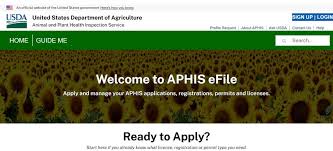
The United States Department of Agriculture (USDA) plays a crucial role in overseeing the nation’s food and agricultural systems. As we navigate through the complexities of food supply, nutrition policies, agricultural practices, and rural development, the USDA website serves as an indispensable resource for individuals and organizations. With a wealth of information, including research, policies, and programs, the website is essential for farmers, policymakers, and consumers alike.
Key Features of the USDA Website
The USDA website offers an extensive range of resources divided into various sections, catering to different stakeholders. The main sections include:
- Agriculture: Here, users can find information about crop production, livestock, and market news. It provides data on agricultural commodities, weather impacts, and economic analyses that help inform farming decisions.
- Food Safety: The USDA’s Food Safety and Inspection Service (FSIS) offers guidelines on safe food handling, inspection processes, and food recall notifications. This section is particularly relevant amid growing concerns about foodborne illnesses.
- Nutrition: The USDA’s nutrition programs, including the Dietary Guidelines and MyPlate resources, help educate the public on healthy eating patterns and food choices. The nutrition section emphasizes the importance of balanced diets, especially in light of the ongoing public health crises.
- Research and Data: The USDA invests in extensive research efforts aimed at advancing agricultural knowledge and practices. The website provides access to reports, publications, and data sets that are valuable for researchers and practitioners.
- Grants and Programs: Various funding opportunities and assistance programs are listed for farmers and agricultural entities. This includes information about loans, grants, and resources to support rural development.
Recent Developments and Updates
Recently, the USDA website underwent significant updates to enhance user experience and accessibility. This includes improved navigation, mobile responsiveness, and the addition of multilingual resources to accommodate a diverse audience. Furthermore, in response to recent challenges in agriculture stemming from climate change and supply chain disruptions, the USDA has increased its focus on sustainable agricultural practices, providing information on grants and programs aimed at fostering resilience.
Conclusion
As the USDA continues to evolve with the times, its website remains a critical resource for anyone involved in or impacted by agriculture and food systems in the United States. The ongoing updates and a focus on user-friendly access demonstrate the USDA’s commitment to supporting farmers, promoting food safety, and enhancing nutritional education. For anyone searching for reliable information on food and agriculture, the USDA website stands out as a cornerstone of knowledge and guidance. Understanding and utilizing the resources available through the USDA can empower consumers and professionals to make informed decisions in an ever-changing landscape.