Introduction
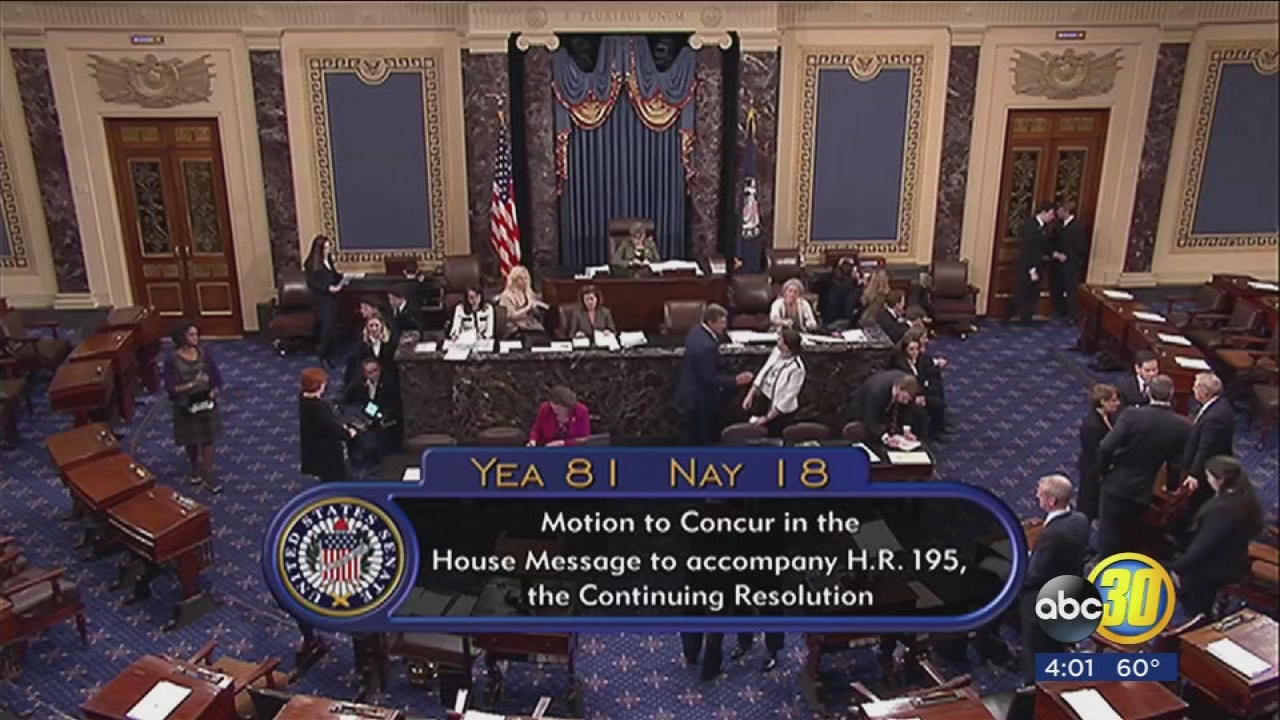
The potential government shutdown is a pressing issue that affects millions of Americans and the overall economy. As Congress prepares for a crucial Senate vote, the significance of this decision cannot be underestimated. With many federal services dependent on continuous funding, the actions taken in the coming days will shape the landscape of government operations and have far-reaching implications for citizens and federal employees alike.
Current Status of Senate Vote
The Senate is currently facing a critical deadline as government funding is set to expire at the end of this fiscal year. Last week, Democratic and Republican leaders engaged in heated discussions regarding budget allocations and policy riders attached to the continuing resolution (CR). With differing priorities, Republicans are advocating for cuts in non-defense spending, while Democrats insist on maintaining current funding levels to support social welfare programs. Support from both parties is essential to prevent the government from entering a shutdown, which would halt many federal operations.
Impacts of a Government Shutdown
If the Senate cannot come to an agreement and the government is forced to shut down, millions of federal employees may find themselves furloughed, and numerous services—from national parks to visa processing—could be interrupted. Economists warn that a prolonged shutdown could also have detrimental effects on the economy, potentially leading to a lack of confidence in the financial markets. Each day of a shutdown could cost the economy billions, as disrupted services impact consumer spending and business operations.
Political Implications
As Democrats and Republicans prepare for the vote, the political ramifications of the shutdown are also at the forefront. Political analysts suggest that both parties face risks; Republicans may be blamed for essential services being halted if they push for cuts, while Democrats could be seen as obstructive if they refuse to negotiate. Public opinion polls indicate that voters are largely frustrated with the inability of lawmakers to work together, and this discontent could influence the upcoming elections.
Conclusion
In light of these developments, the upcoming Senate vote on the government shutdown is a critical juncture in American politics. The outcome will not only dictate the immediate functioning of the federal government but also set the tone for bipartisan relations in the months to come. As negotiations continue, citizens are encouraged to stay informed and reach out to their representatives, emphasizing the importance of resolving budgetary disputes to avoid a government shutdown. With the deadline looming, the stakes could not be higher.