Introduction
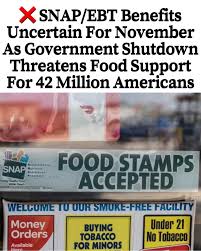
The Supplemental Nutrition Assistance Program (SNAP) is a critical support system for millions of Americans, providing essential food assistance. In light of recent discussions surrounding a potential government shutdown, many individuals and families are left wondering how their SNAP benefits might be impacted. Understanding these implications is crucial not only for recipients but for policymakers and the public at large as well.
Current Status of SNAP Benefits
Currently, SNAP benefits are funded through the U.S. Department of Agriculture, which has mechanisms in place to provide assistance even during government shutdowns. However, as the likelihood of a shutdown grows due to partisan disputes over budget allocations, many beneficiaries are expressing concerns about the future of their food assistance. If a shutdown occurs, SNAP payments for new recipients and paperwork processing could potentially be delayed. This could place significant strain on families already coping with economic uncertainties.
Historical Context and Recent Events
Past government shutdowns have shown the vulnerabilities of social safety net programs like SNAP. For instance, during the shutdown in late 2018 and early 2019, the program was able to disburse benefits for January but faced considerable uncertainty about future payments. This historical precedent raises alarms as Congress negotiates funding priorities for the current fiscal year.
In September 2023, the U.S. House of Representatives and Senate remained divided, leading to uncertainty regarding the passage of appropriations bills. As a response, advocacy groups have mobilized to urge lawmakers to protect SNAP funding from budget cuts. These groups stress the importance of ensuring that the program remains intact, particularly as inflation continues to heighten food insecurity rates across the country.
Conclusion
The potential impact of a government shutdown on SNAP benefits illustrates the intersection of political action and public welfare. While currently, benefits are expected to continue operating normally, the situation remains fluid and contingent upon congressional actions in the coming weeks. For many households across the U.S., the consequences of a lapse in SNAP benefits could lead to increased food insecurity at a time when economic pressures are already mounting. Observers will be watching closely as the negotiations unfold, with advocates emphasizing the urgent need to prioritize food assistance programs in the budget discussions. The outcome of these debates will resonate with millions of Americans who rely on SNAP to put food on their tables.