Introduction to Yellowstone National Park
Yellowstone National Park, established in 1872 as the first national park in the world, is a stunning natural wonder that attracts millions of visitors each year. Spanning over 3,400 square miles across Wyoming, Montana, and Idaho, it is renowned for its unique geothermal features, diverse ecosystems, and rich wildlife. With its profound environmental significance and ongoing conservation efforts, Yellowstone remains a vital topic for nature enthusiasts and conservationists alike.
Geothermal Features and Landscape
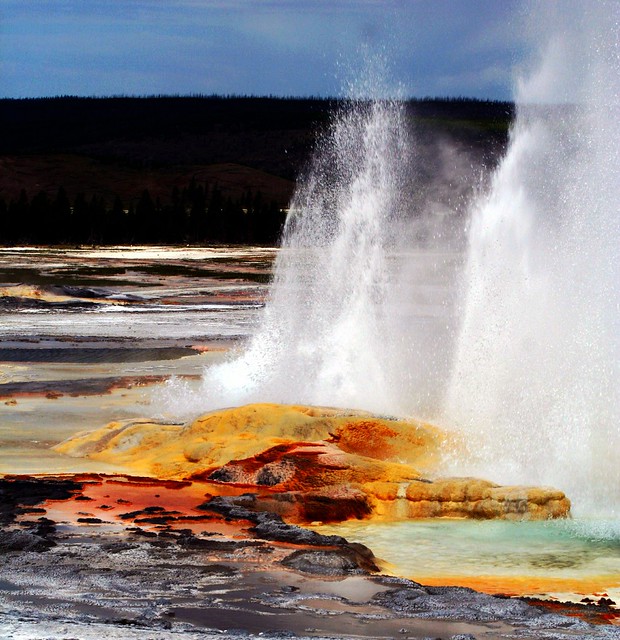
Yellowstone is home to approximately half of the world’s geysers, including the famous Old Faithful, which erupts approximately every 90 minutes. The park’s geothermal features, such as hot springs, mud pots, and fumaroles, are caused by volcanic activity underneath the surface. This volcanic hotspot is also what shapes the park’s breathtaking landscapes, with majestic mountains, deep canyons, and lush forests.
Wildlife and Biodiversity
The park’s varied habitats are home to a diverse array of wildlife, including bison, elk, grizzly bears, and wolves. In recent years, conservationists have monitored and managed these populations to maintain a balanced ecosystem. Notably, the reintroduction of wolves in the mid-1990s has significantly impacted the park’s ecology, demonstrating the interdependence of species within Yellowstone.
Recent Events and Conservation Initiatives
In 2023, Yellowstone faced challenges due to increased visitation and climate change. The park saw a record 4 million visitors in a single year, which has raised concerns about the impact of tourism on its fragile ecosystems. To mitigate these effects, the National Park Service has implemented measures to promote responsible tourism, including crowd management strategies and educational programs for visitors.
Additionally, ongoing research and monitoring of the park’s geothermal pools and wildlife populations have become integral to conservation efforts. Collaborations with various environmental organizations aim to address climate resilience strategies to protect the park’s unique biodiversity against the rising temperatures and extreme weather conditions.
Conclusion
As Yellowstone National Park continues to face challenges, its significance as a natural and ecological treasure cannot be overstated. The ongoing efforts to balance visitor access with conservation ensure that this iconic landscape will remain preserved for future generations. For readers passionate about nature and wildlife, Yellowstone represents both a destination and a model for sustainable tourism and conservation.