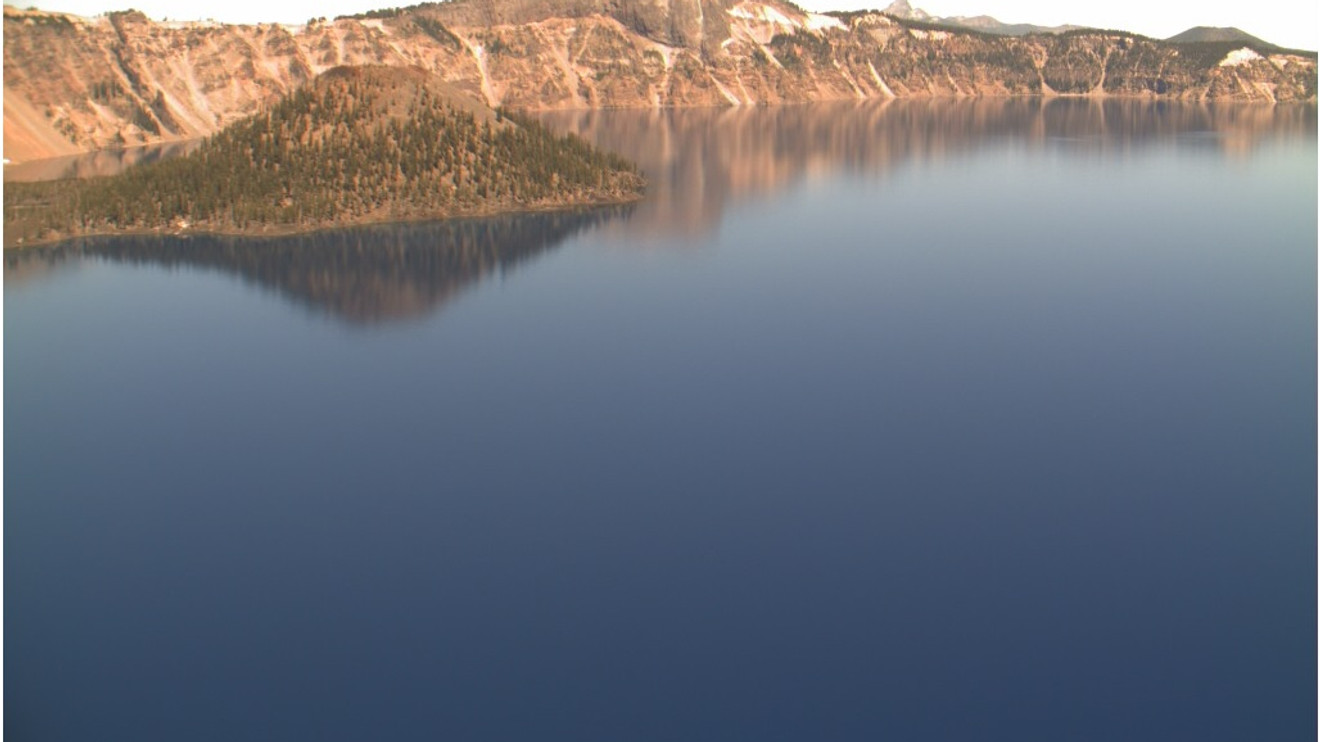
Introduction to Crater Lake
Crater Lake National Park, located in southern Oregon, is a breathtaking natural wonder that has captured the attention of visitors from around the world. Established in 1902, it is the fifth-oldest national park in the United States and is famous for its stunning blue waters and deep caldera. The lake is the deepest in the United States, plunging to a depth of 1,943 feet, making it not only beautiful but also scientifically significant.
The Geological Significance
Crater Lake was formed around 7,700 years ago after the collapse of Mount Mazama following a violent eruption. The caldera filled with rainwater over centuries, creating the pristine lake we see today. Its unique geology provides insight into volcanic activity and the impact of climate on natural formations. Geological studies continue to reveal the history of the region’s volcanic past, helping scientists understand the dynamics of explosive eruptions and caldera formations.
Ecology and Biodiversity
The park is not just known for its lake; it is also home to diverse ecosystems. Mixed forests of pine and fir, alpine meadows, and unique volcanic rock formations support a variety of wildlife. Animals such as elk, deer, and several bird species inhabit the area, while the hidden depths of the lake support a small population of fish, including the native species, the Crater Lake blueback trout.
Visitor Experience
With over 700,000 visitors each year, Crater Lake National Park offers various recreational activities. Popular attractions include hiking, boat tours on the lake, and scenic drives along the Rim Drive, which provides spectacular views of the lake and surrounding landscape. The park also hosts educational programs and ranger-led tours, allowing visitors to learn about the natural history and conservation efforts in the area.
Conclusion: The Future of Crater Lake
As climate change continues to affect ecosystems worldwide, Crater Lake National Park faces several environmental challenges, such as changing precipitation patterns and the health of its iconic blue waters. The National Park Service is actively engaged in monitoring these changes, implementing plans to sustain the park’s natural beauty and ecological integrity. For nature enthusiasts, conservationists, and travelers, Crater Lake remains a vital destination that exemplifies the breathtaking beauty of America’s natural landscapes.