Introduction
In the realm of writing and storytelling, the terms trope, cliche, and platitude often emerge in discussions about creativity and originality. These concepts, although related, have distinct meanings that are crucial for writers and audiences alike. Understanding the nuances between them can enhance the appreciation of literature and media, allowing for a more critical engagement with narratives.
Defining the Concepts
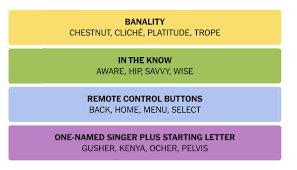
A trope refers to a commonly recurring theme or device in literature and media. Tropes are not inherently negative; they can serve as recognizable elements that help convey ideas or emotions effectively. For instance, the “reluctant hero” or “love triangle” are tropes that many readers and viewers easily understand and accept.
In contrast, a cliche represents a phrase or expression that has become so overused that it has lost its original meaning or impact. Cliches often detract from the creativity of a piece, making it feel predictable and stale. Phrases like “think outside the box” or “at the end of the day” are classic examples that appear frequently in writing, leading to reader disengagement.
A platitude is similar to a cliche, but it specifically refers to a statement that is considered banal or unoriginal, often stated as if it were an insightful truth. Platitudes usually offer little to no real value and can frustrate readers or listeners seeking depth. Examples include sayings like “everything happens for a reason” or “it is what it is.”
Current Relevance in Media
In the contemporary landscape of literature and media, the prevalence of cliches and platitudes is notable. Many authors strive to break free from tired phrases and overreliance on tropes to create more engaging narratives. Platforms like social media amplify this issue, as users often share content laden with cliches and platitudes, which can dilute the intended message. Recent literary critiques suggest a move toward more nuanced and original themes, challenging writers to think critically about their choices.
Conclusion
Understanding the distinctions between trope, cliche, and platitude is essential for both writers and readers. While tropes have their place in storytelling, overuse can lead to cliches and platitudes that detract from a narrative’s impact. As the literary landscape evolves, embracing originality and fresh perspectives will likely remain paramount, benefiting creators and consuming audiences alike. In a world saturated with content, finding unique ways to express ideas can elevate storytelling, fostering a deeper connection with diverse readers.