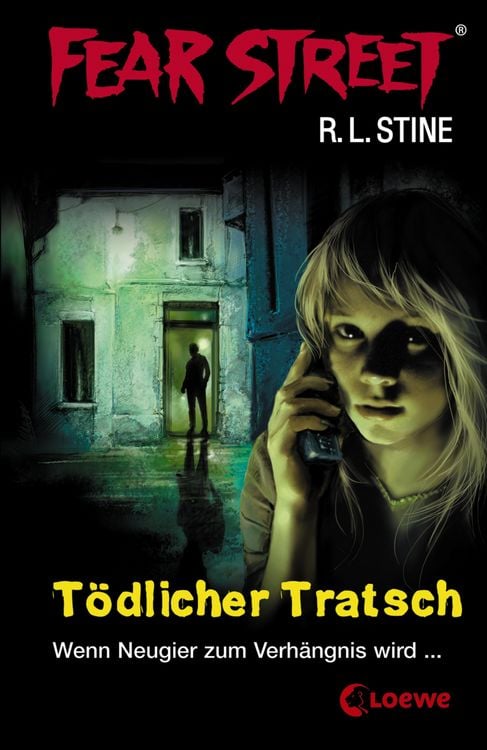
Introduction to RL Stine
R.L. Stine, born on October 8, 1943, in Columbus, Ohio, is an iconic figure in children’s literature, best known for his bestselling series ‘Goosebumps.’ His works have captivated young audiences for decades, blending humor and horror in a way that resonates with children and introduces them to the genre of spooky stories. Stine’s unique ability to evoke fear and excitement without going overboard has made him a household name and a significant influence on aspiring young writers.
The Phenomenon of Goosebumps
The ‘Goosebumps’ series, introduced in 1992, includes over 230 published titles, with more than 350 million copies sold worldwide. This makes it one of the best-selling book series in history. The stories are characterized by unexpected twists, relatable child protagonists, and an engaging style that keeps readers eager for the next page. Titles such as ‘Welcome to Dead House’ and ‘Night of the Living Dummy’ have become instant classics, embedding themselves into the pop culture landscape.
Impact and Adaptations
Beyond the books, the impact of R.L. Stine’s work has extended into television and film. The ‘Goosebumps’ television series aired from 1995 to 1998, introducing a new generation to Stine’s thrilling tales. In 2015, the film adaptation starring Jack Black as Stine himself brought the stories back into the spotlight, reigniting interest in his literary works and paving the way for a sequel in 2018. These adaptations not only celebrated Stine’s legacy but also showcased the enduring appeal of his narratives.
Stine’s Continued Relevance
Even as new authors emerge, R.L. Stine remains relevant in discussions about children’s literature. His contributions to the genre have opened doors for other writers and allowed children to explore various forms of storytelling. Stine regularly engages with fans through social media, sharing insights about his writing process and encouraging young writers to pursue their passions. His ongoing commitment to fostering a love for reading among children underscores his importance in the literary world.
Conclusion
As R.L. Stine continues to write and inspire, his legacy is firmly established in the realm of children’s literature. His ability to blend storytelling with accessible horror has created a safe space for children to confront their fears and ignite their imaginations. With his contributions influencing both past and future generations of readers, Stine’s work continues to hold significant importance, confirming his place as a master storyteller in our literary culture.